en
en nl
nl de
de fr
frHow Bakery Koese created calm, quality, and future‑readiness through a continuous process
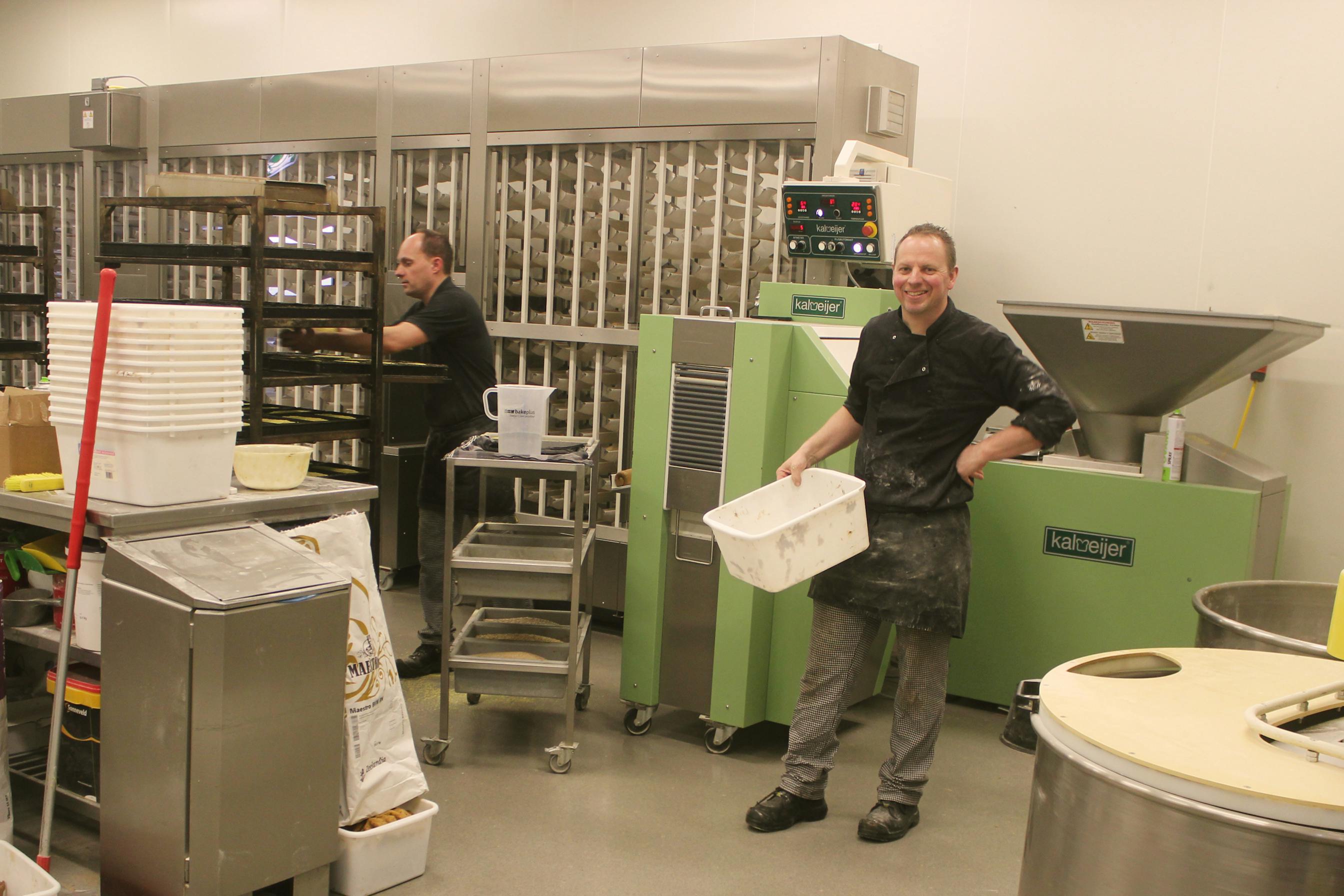
A growing family bakery with strong traditions
Bakkerij Koese in Sommelsdijk will celebrate its seventieth anniversary in 2027. What began with Izaak and Wouterina has grown into a modern family bakery now led by the third generation. Its history is typical of a traditional family business: sons who start helping at a young age, learn the craft on the job, and gradually expand the company.
When the bakery moved to its new location in Dirksland in 2010, production capacity increased significantly. New stores in Oude Tonge and Middelharnis soon followed. Today, Niels owns the business and his brother Wouter works in production. The bakery is known for its consistent quality, a key point of differentiation in a region where population growth is limited but the demand for good bread continues to rise.
That consistent quality is sacred to Niels. “Our customers notice everything. If something changes, we hear it immediately.” That became clear, for example, when an alternative process for one bread type was tested and customers instantly asked what was different. It reinforced how crucial a stable, reliable, and uninterrupted process is.
Increasing production, limited capacity, and staff shortages
As the number of stores grew and demand continued to rise, production became increasingly constrained. The old proofing machine had only 340 swings and filled up quickly. As a result, the bakery worked in batches: mix a dough, wait until the proofing machine was almost empty, and only then proceed.
This led to:
- long production times, sometimes up to seven hours for large loaves alone
- significant downtime and waiting between batches
- a bottleneck in the baking process, even after purchasing an additional oven
- an inability to shift production to daytime hours
- dependence on scarce night‑shift workers
On top of that, when one bread baker left the company, it became clear how vulnerable the process was. Losing a single person immediately created pressure on planning.
Niels realized that this way of working was not sustainable. “Every morning, one baker was making bread from early to late. It could be far more efficient and much calmer.”
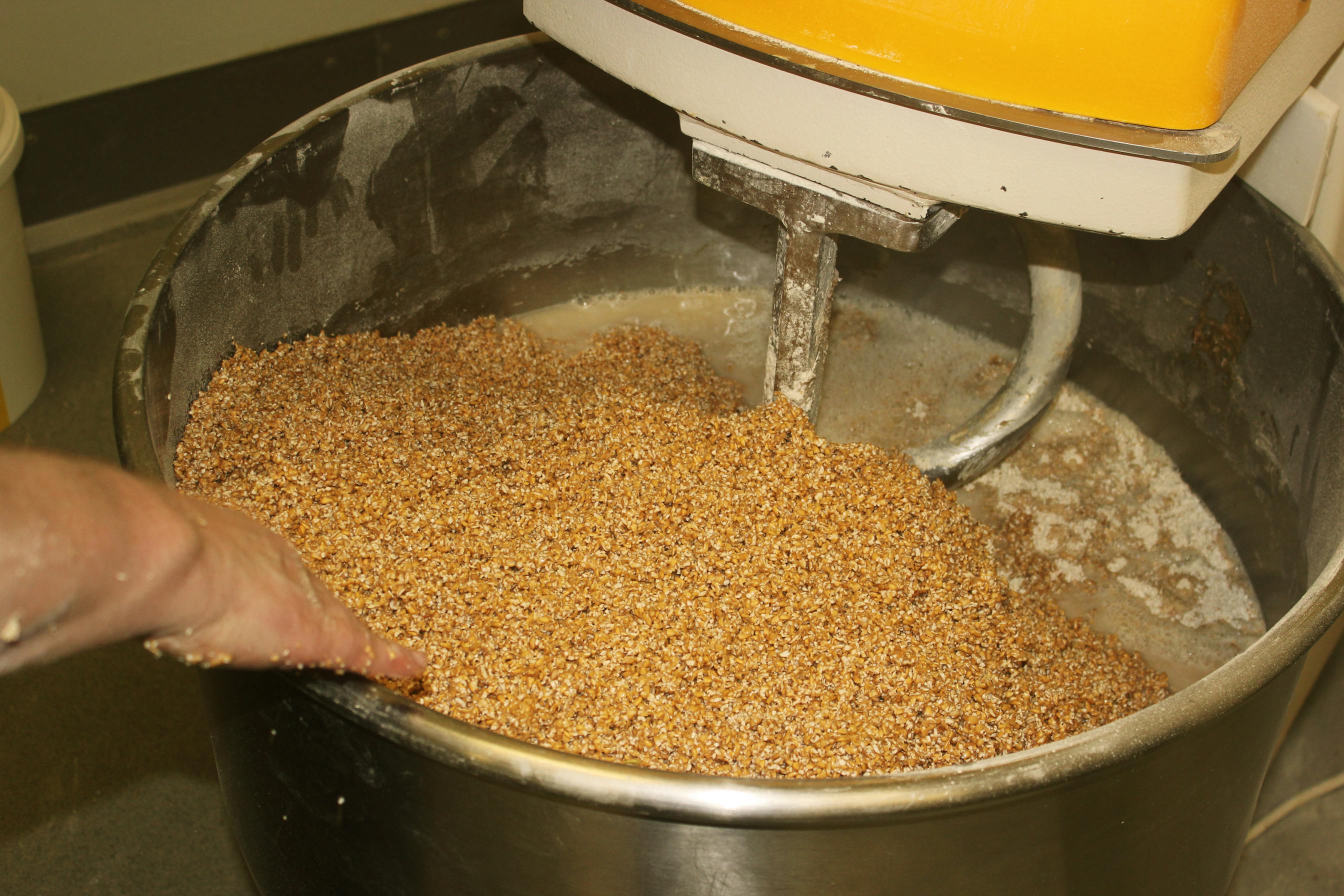
Kneading process
The limits of a traditional batch process
The issue was about more than just lost time. It touched the core of the business:
- Quality came under pressure due to interruptions in the process.
- Team flexibility was low, because so much work had to be done at night.
- Employee well‑being declined due to irregular working hours.
- The bakery’s growth potential was restricted by the capacity of the proofing machine.
In addition, a batch process is inherently inefficient. If the proofing machine is only partially filled, a batch takes just as long as when it is full. That is valuable production time that gets lost.
Niels realized that growth was only possible with a process that could run continuously; without interruptions and without dependence on night shifts. But how do you achieve that?
A continuous process with the new Kalmeijer proofer
Together with account manager Lucien van der Zijden, Niels explored how other bakeries had organized their production. A visit to a fellow baker provided the decisive insight: working calmly, with a predictable rhythm, enabled by a proofer that aligns perfectly with the total proofing time.
The principle is simple but effective: once a dough piece enters the system, it must - without pauses - be ready for moulding exactly fifty minutes later. This requires a proofer with sufficient capacity and a dividing speed that can support that pace.
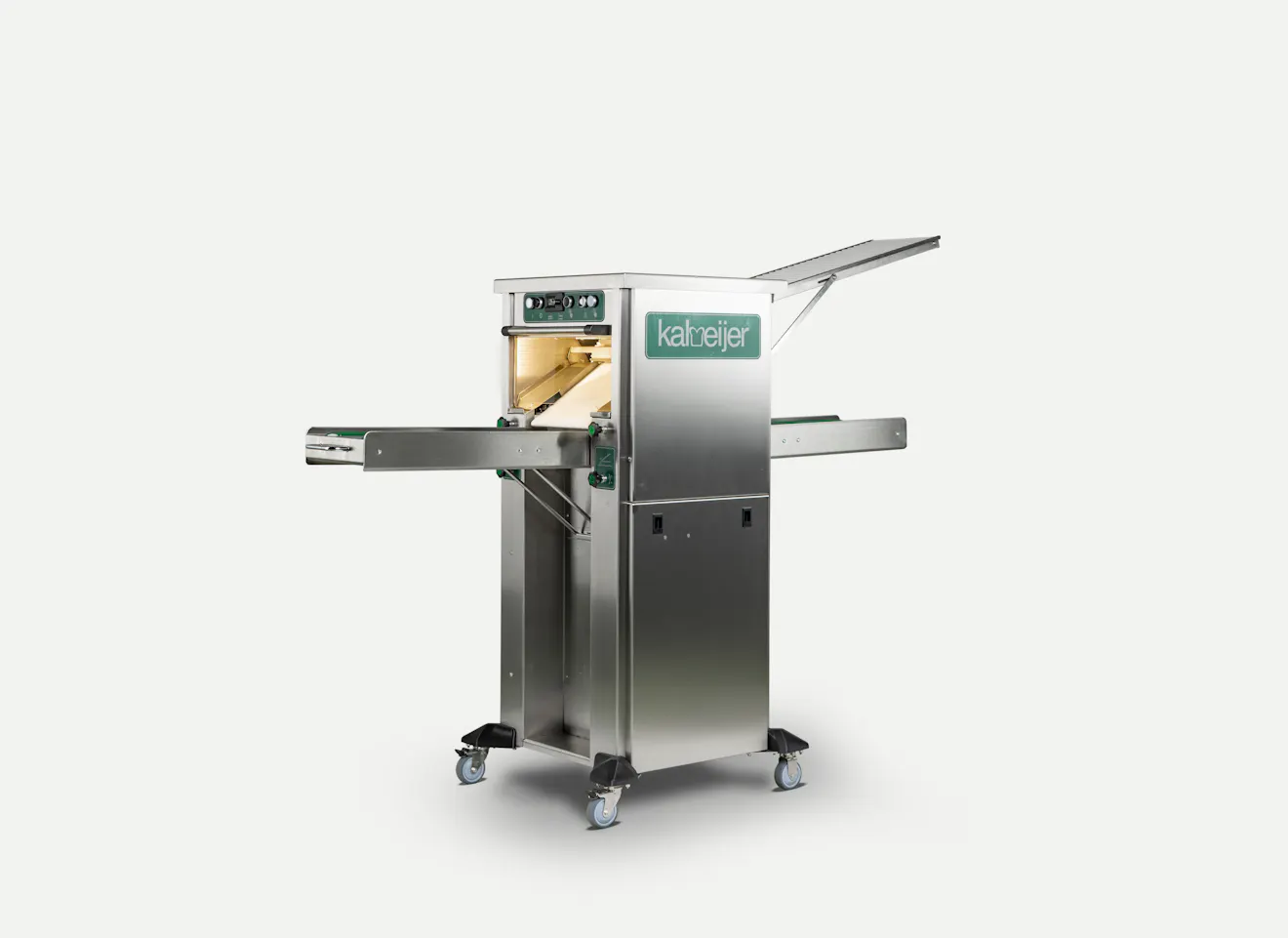
With a capacity of 680 swings and a consistent dividing and rounding speed of 16 dough pieces per minute, the new Kalmeijer proofer fits that requirement perfectly.
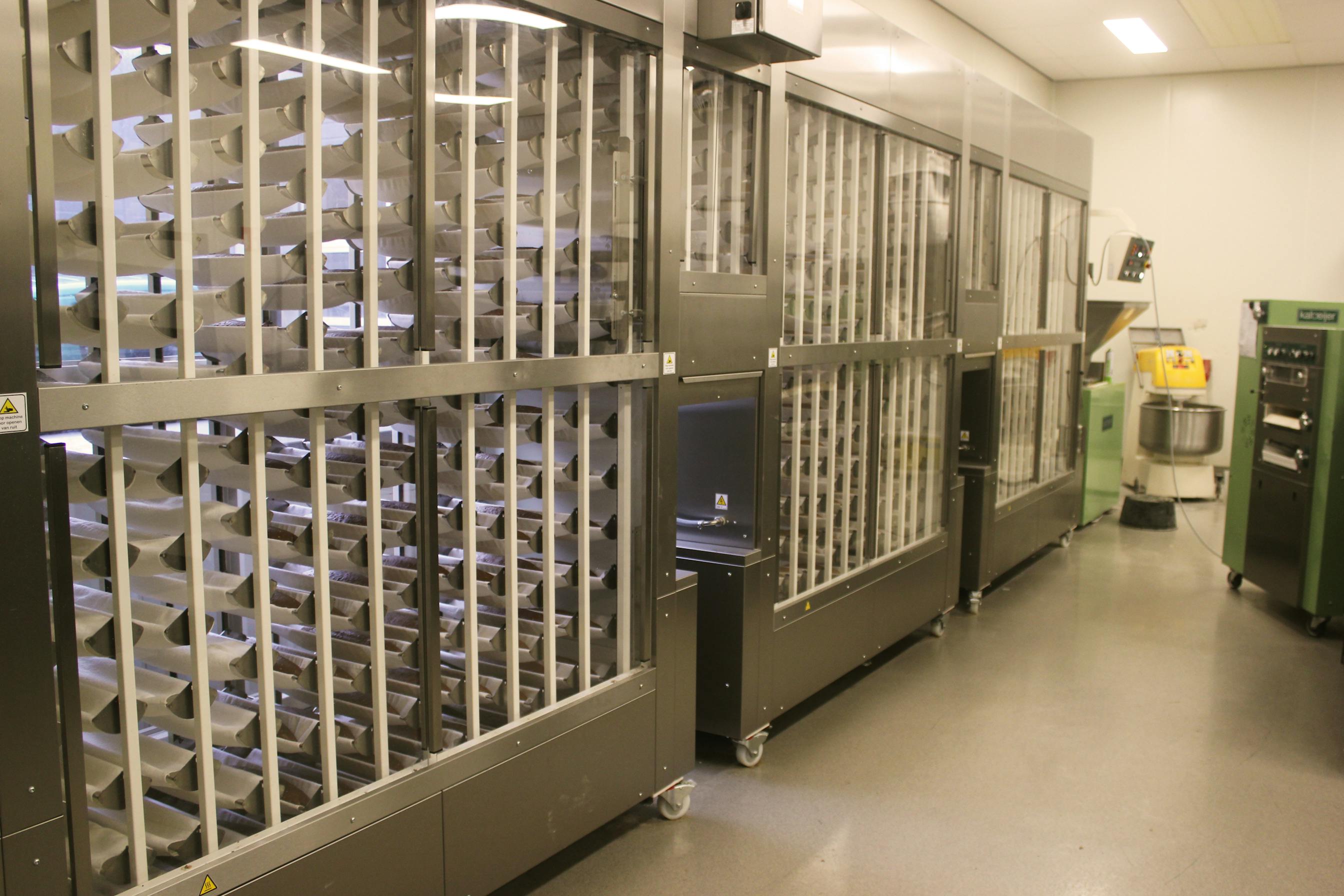
The proofer KRV 680
The transition
The installation went smoothly. In the morning, the old machine was removed, and the new one was quickly put into place. By the end of the day, Koese was running entirely on the new continuous process.
Niels: “It actually went well right away. We only had to adjust the yeast percentage a little.”
The results
Calm and focus in the bakery
The difference is immediately noticeable. Where previously one baker spent the entire morning making bread, Niels and Hans now work side by side in a relaxed rhythm. There is time to coordinate, and no dough ever stands still.
Shorter production time
Total bread production time dropped from seven hours to five to five and a half hours for roughly 900 loaves.
No more night work and a deliberately structured day rhythm
All bread production now takes place during the day. To safeguard both efficiency and quality, Koese intentionally runs production in the afternoon and bakes in the evening. This distribution brings calm to the process and makes the work more attractive for the team.
Fewer errors and greater stability
Counting for the stores is more accurate, the chance of mistakes is much lower, and the baking process is more stable.
Scalability
Because the process runs continuously, the production volume no longer matters. The proofer is no longer a limiting factor.
“It’s more efficient, calmer, and we work during the day. This is how a modern bakery should run.”
“We’re ready for the future.”
For Niels, this feels like an important milestone in the history of his family business: the third proofing machine within the Koese family, but the biggest leap in efficiency and calm. And just in time; the seventieth anniversary is approaching.
“It’s more efficient, calmer, and we work during the day. This is how a modern bakery should run.”
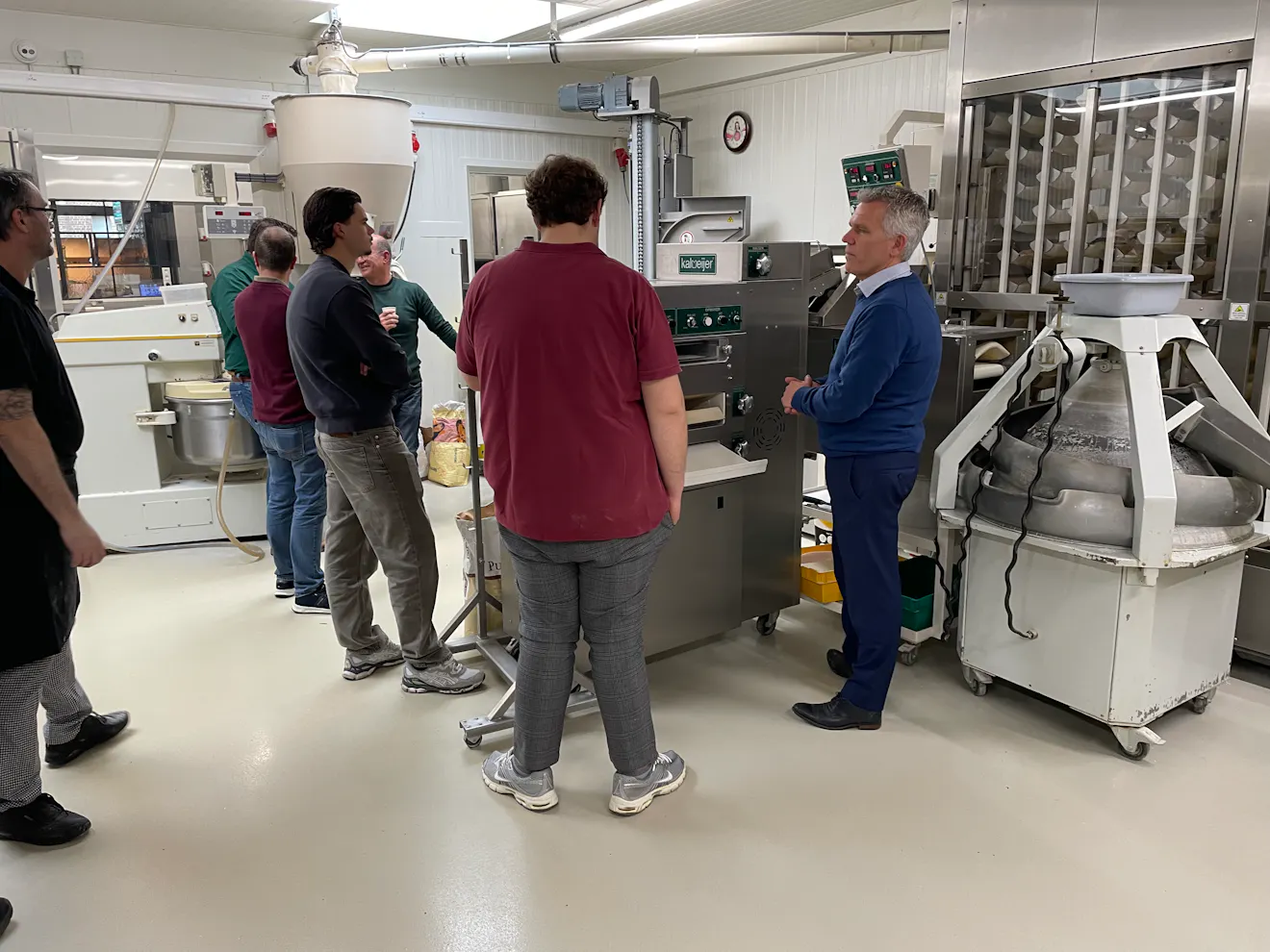
Experience the strength of Kalmeijer in practice
If you would like to see live how such an installation can save time in your bakery as well, feel free to ask your representative or contact us directly. When multiple requests come in, we group them and organize a joint demonstration. This allows you to see with your own eyes what calm, efficiency, and continuity look like in practice.
Read more