 en
en nl
nl de
de fr
frPreventing malfunctions through proper maintenance of the dough dividing machine KAO
Posted onApril 22, 2026
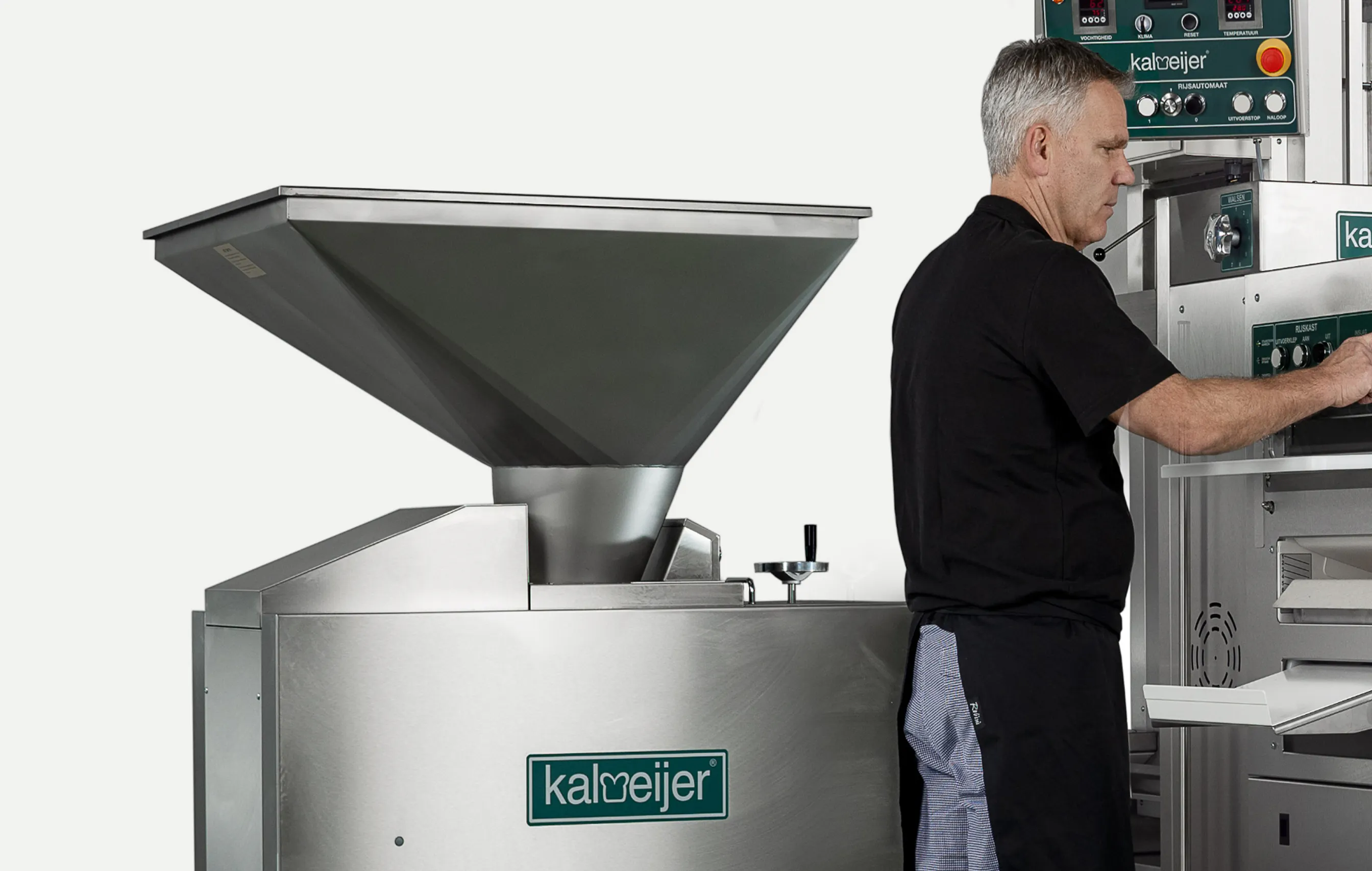
Your Kalmeijer dough dividing machine KAO is an essential part of your bakery. With proper maintenance, you can prevent malfunctions and ensure that your machine continues to perform optimally. Below you will find the key points to consider for trouble-free operation.
Daily maintenance: clean and smooth operation
- Unplug the machine before you start: this ensures safe working conditions.
- Cleaning the measuring piston & measuring chamber: use a scouring pad, remove dough residues, and oil both components immediately after cleaning.
- Cleaning the pressure piston (weekly): clean it in the same way as the measuring piston and use a glazing knife with rounded corners to remove dough from the pressure chamber. Never use sandpaper or sharp objects.
- Oil through the pressure chamber: pulling an oil-soaked paper plug through the chamber prevents it from running dry.
Oil management: essential for accurate portioning
- Check the oil reservoir daily and refill it in time.
- For older machines, use a slightly thicker measuring oil.
- Never pour drip-tray oil back into the oil reservoir: contamination causes wear and pump malfunctions.
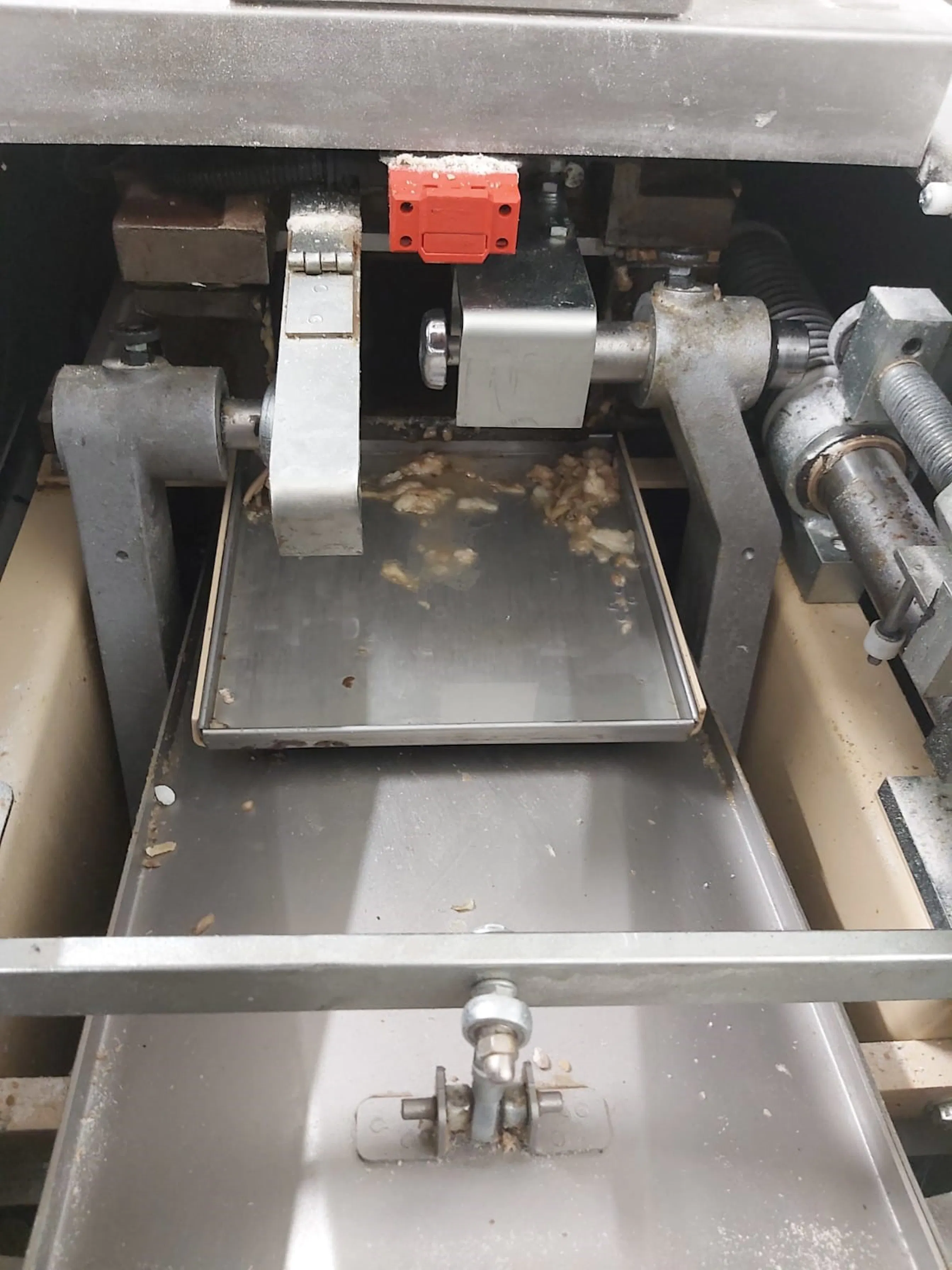
Dirty crumb tray KAO
Preventing corrosion and wear
- Empty the crumb tray every two weeks to prevent the buildup of dough residues.
- Do not leave the knife and piston in the machine for more than two days when the divider is not in use. Moisture and dough residues can otherwise cause pitting corrosion.
Professional maintenance: prevent downtime
- Schedule servicing every six months with a Kalmeijer service technician.
- With a service contract, a technician visits twice a year to carry out: - Mechanical and electrical inspection - Inspection of safety devices and power cables - Assessment of the conveyor belt - Adjustment of the pressure and measuring chambers
This preventive maintenance extends the service life of your machine and minimizes the risk of unexpected breakdowns.
Read more
Update
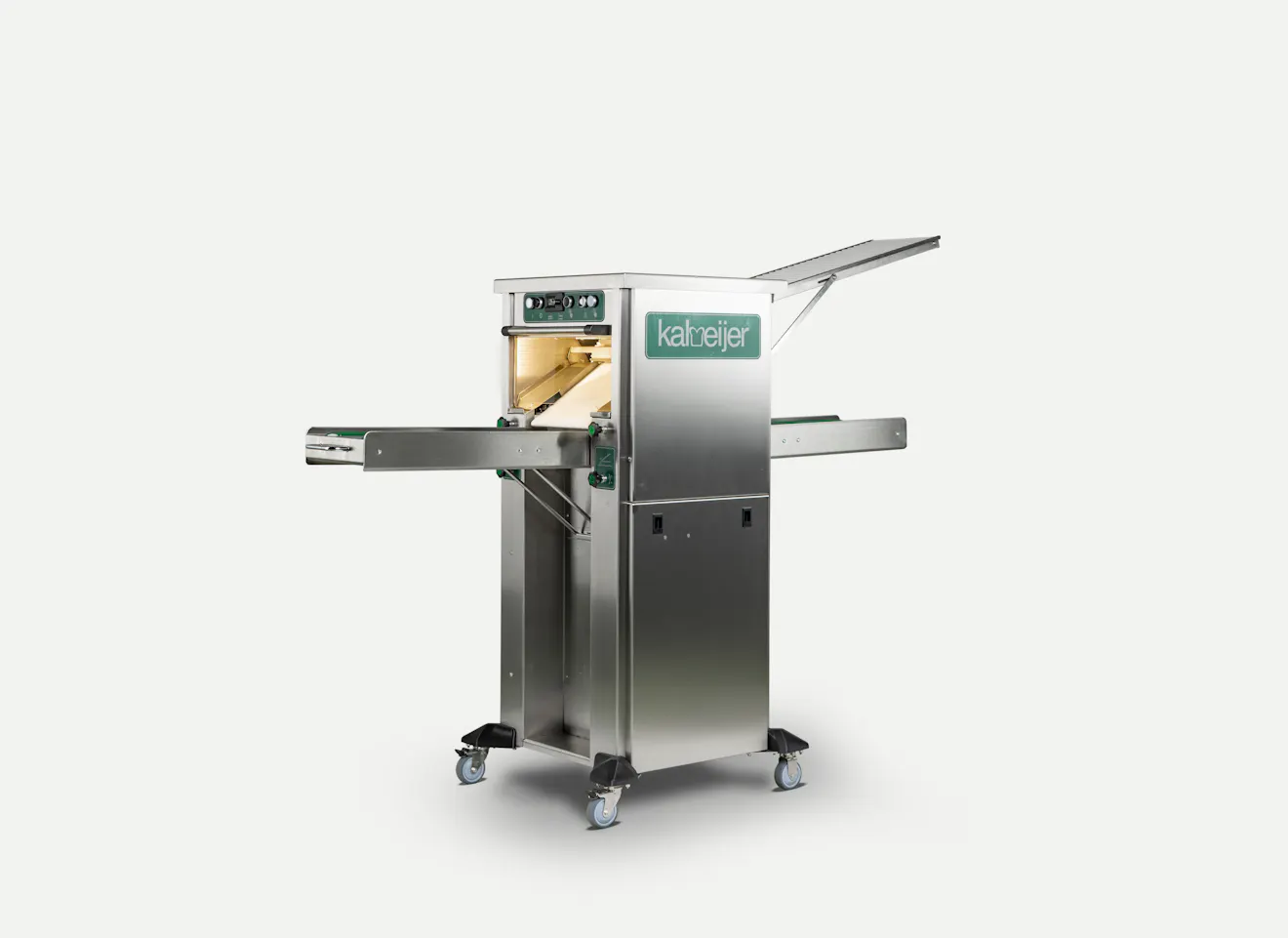
Kalmeijer presents new KGM Pro at Südback
Update

BakkersVakWedstrijden 2026: the stage for craftsmanship
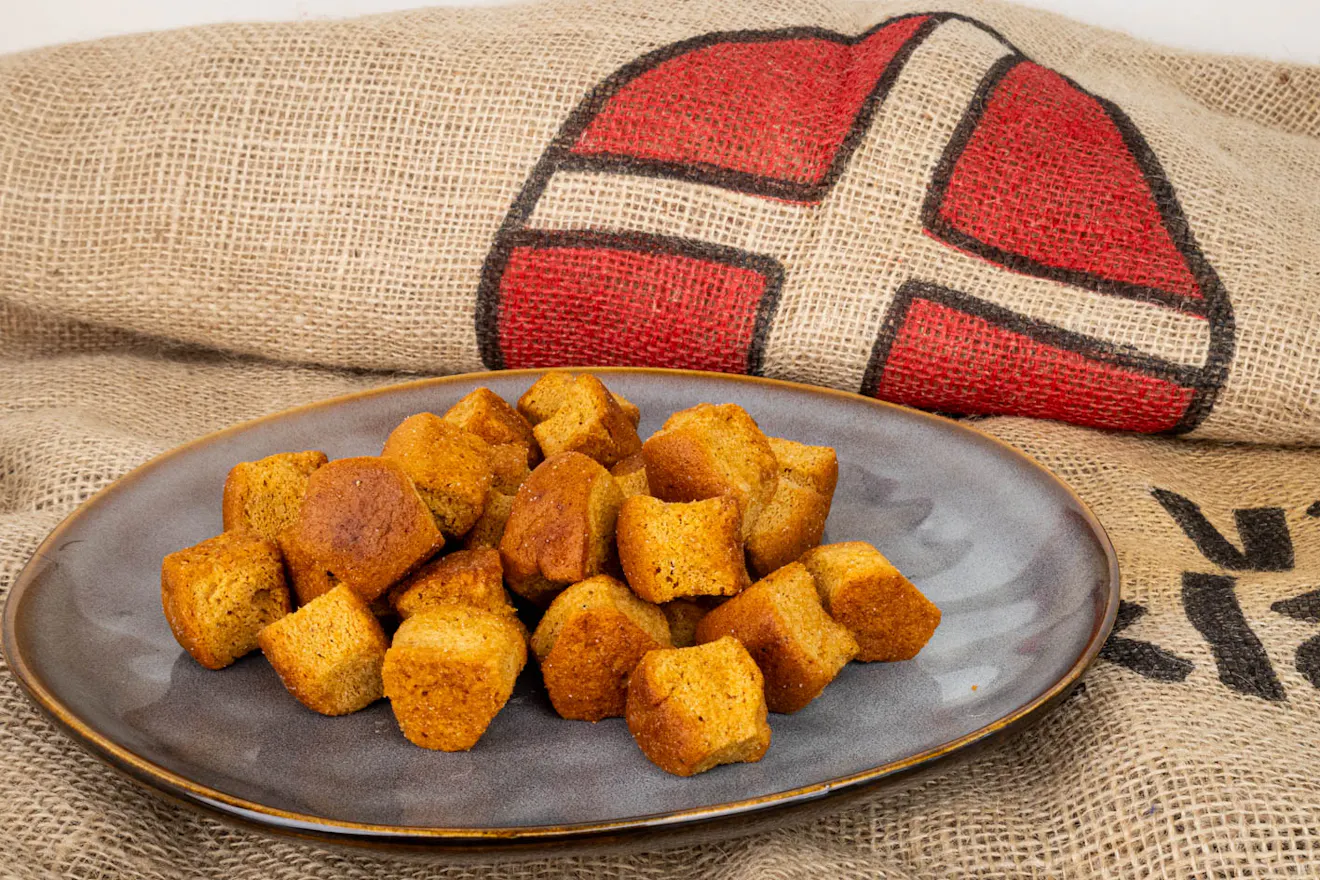
Recipe: Traditional Dutch Soft Gingerbread Cookies (Taai-Pepernoten)
Update
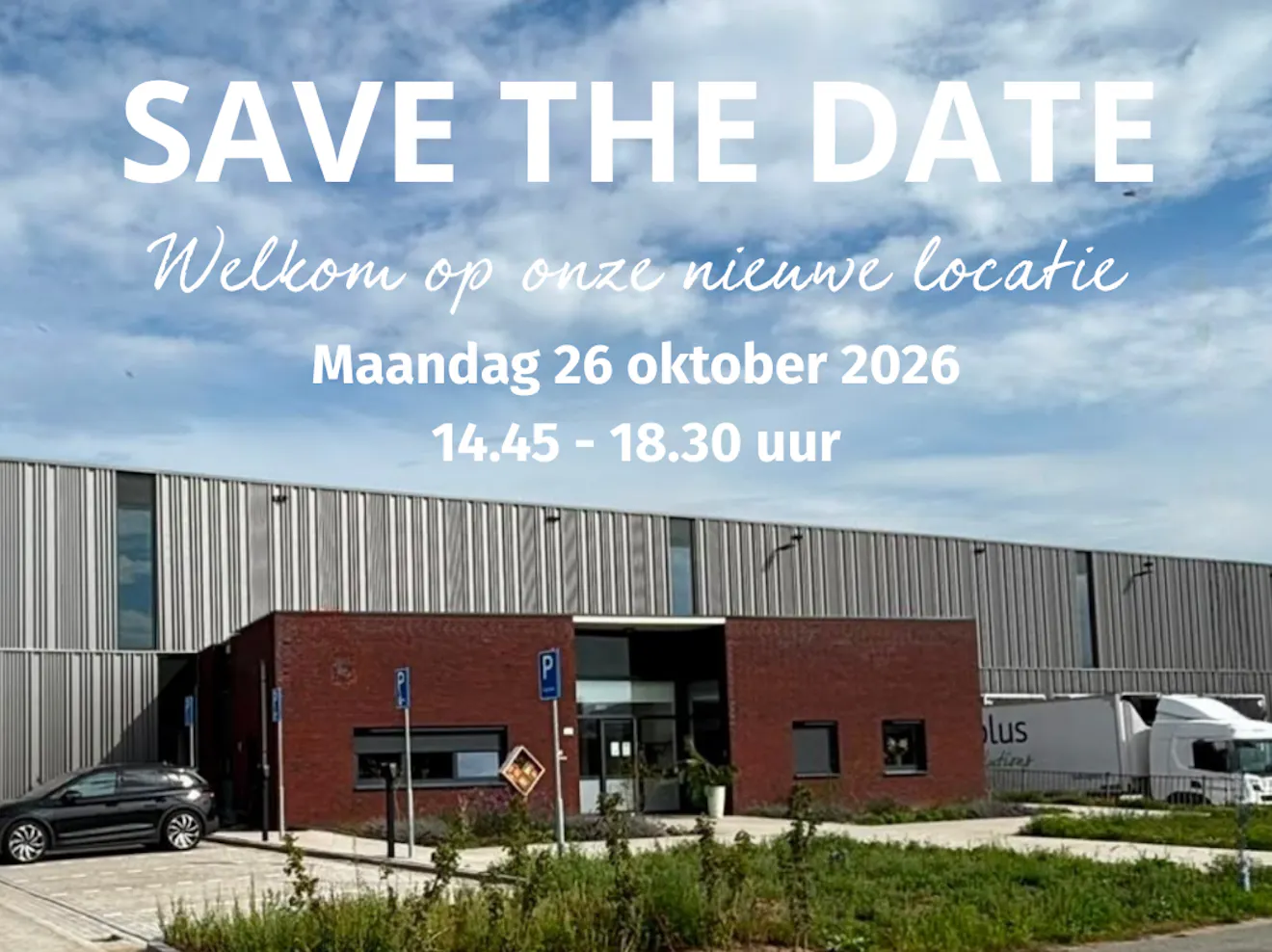
Decorating machine KDM takes stage at the Bakeplus Opening Event
Recipe
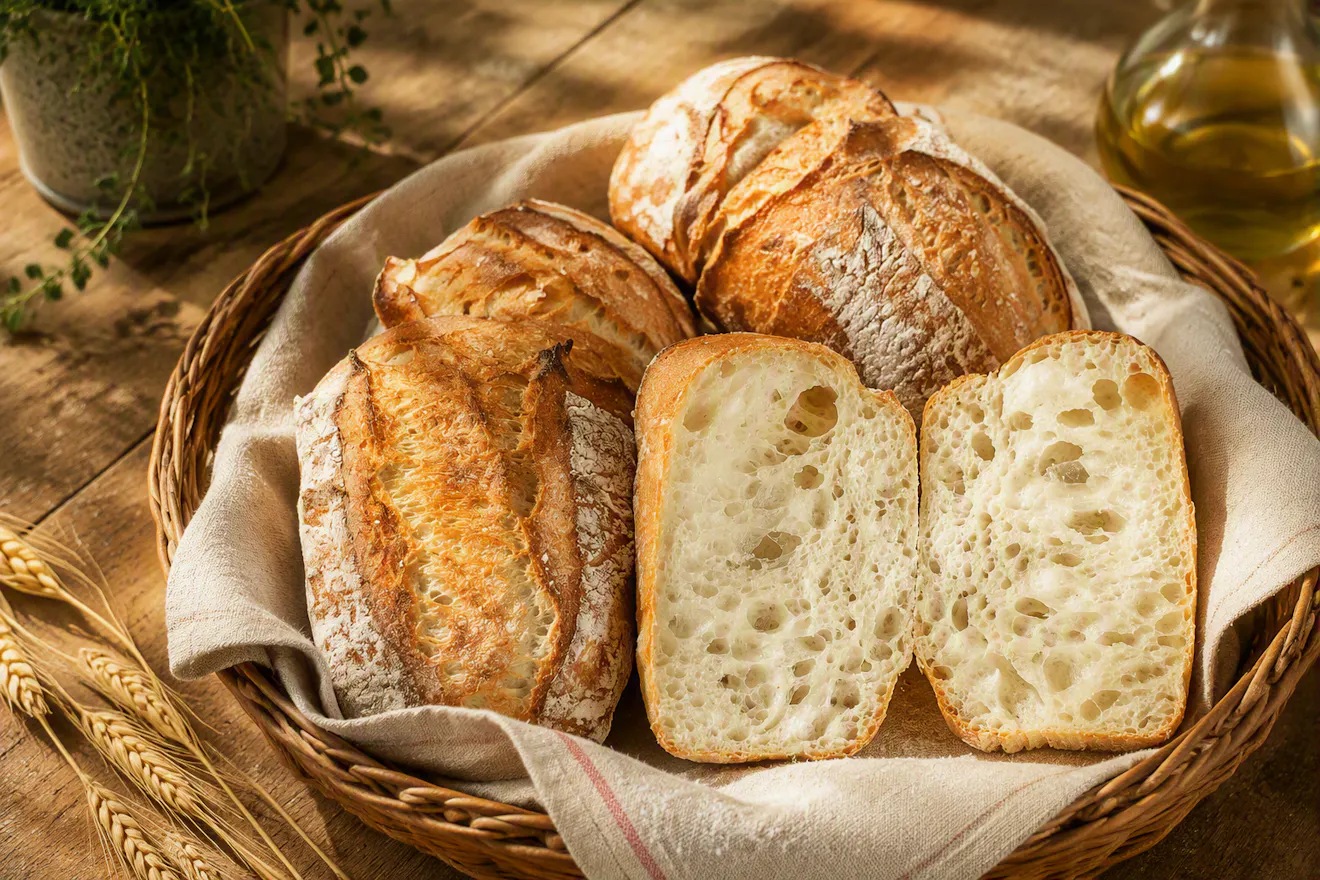
Recipe: rustic white sourdough rolls
Update
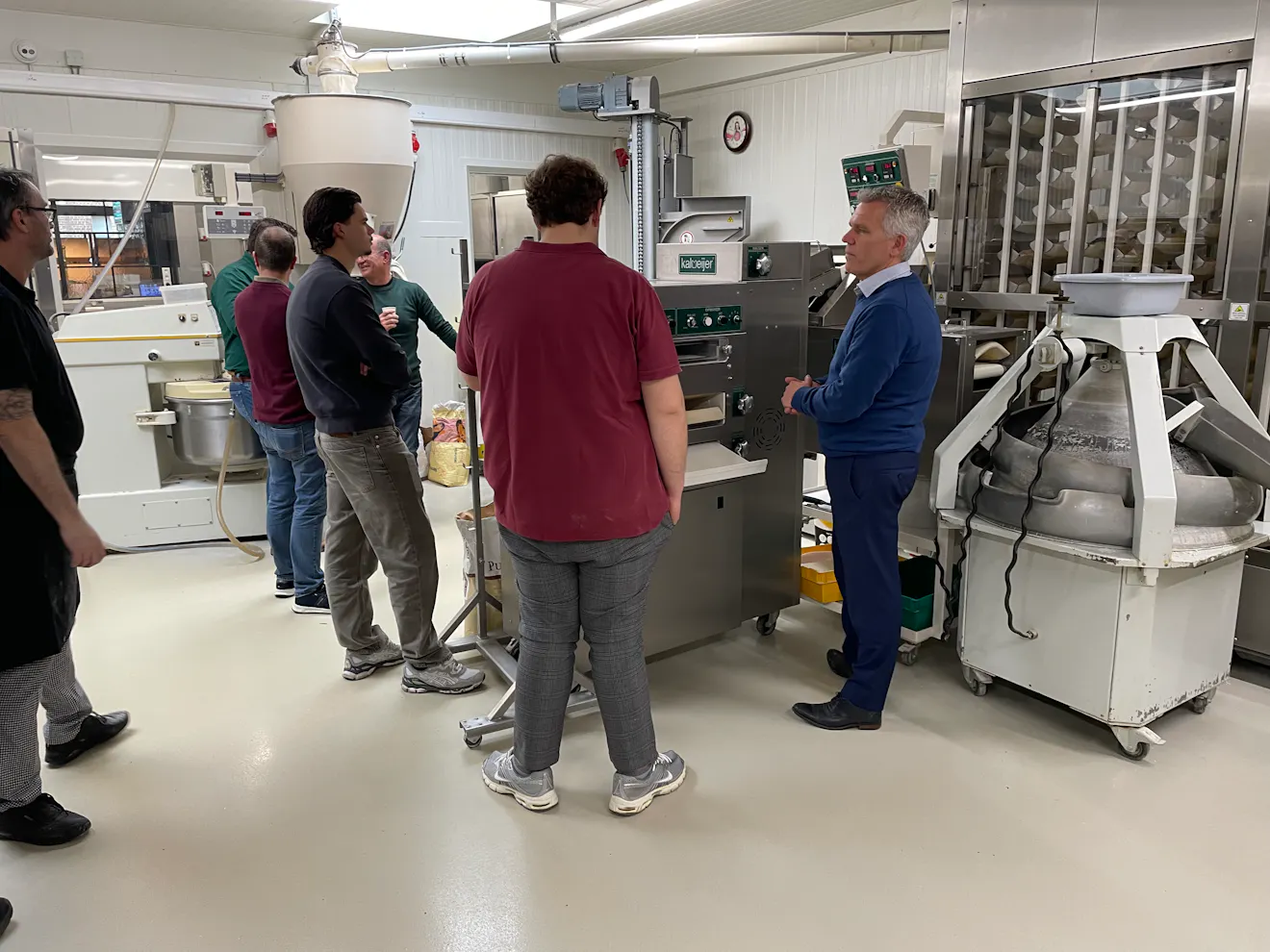
Discover the power of Kalmeijer demonstrations