en
en nl
nl de
de fr
frFeatured machine: the Kalmeijer Small-bread Machine KKM
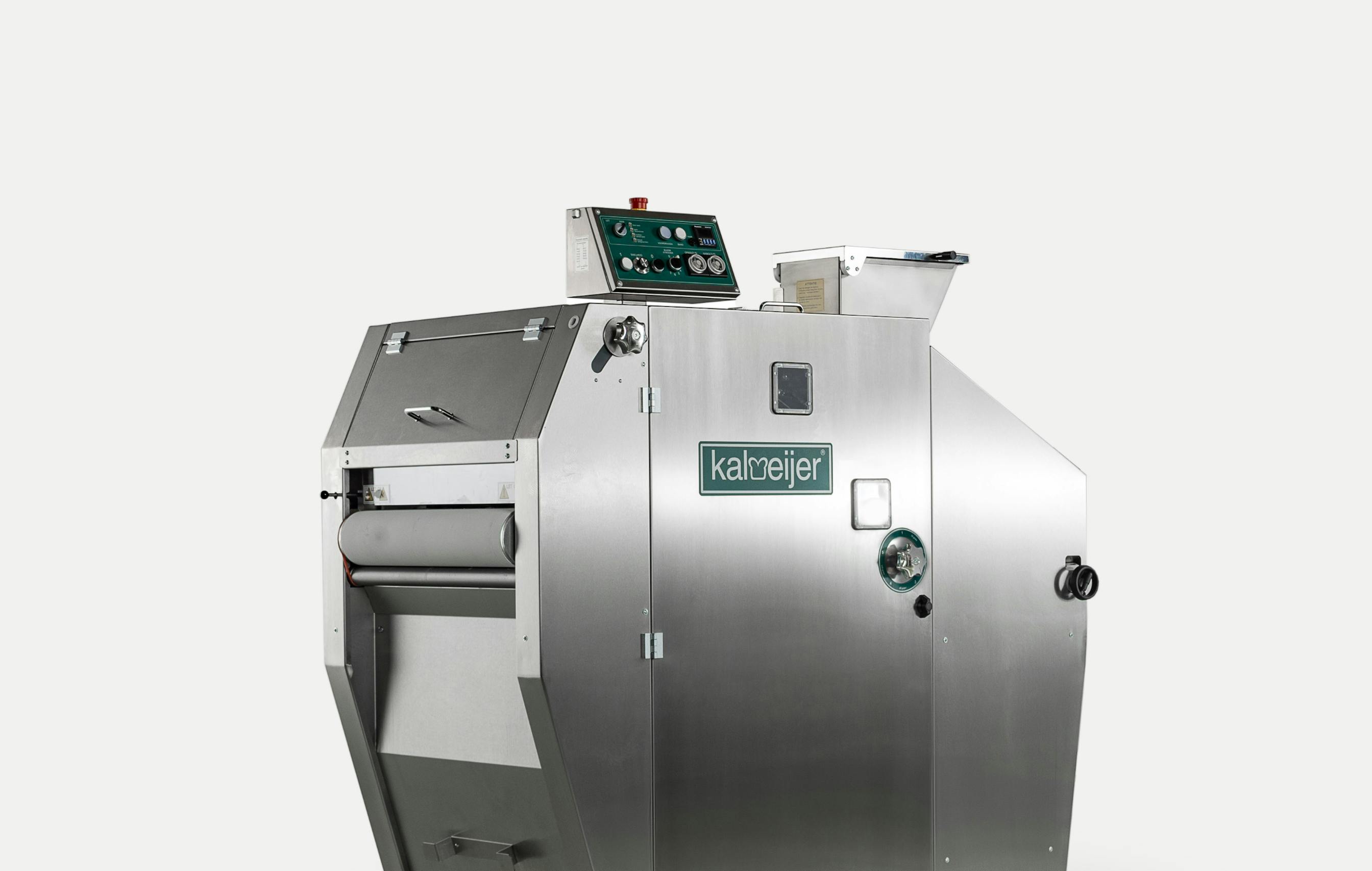
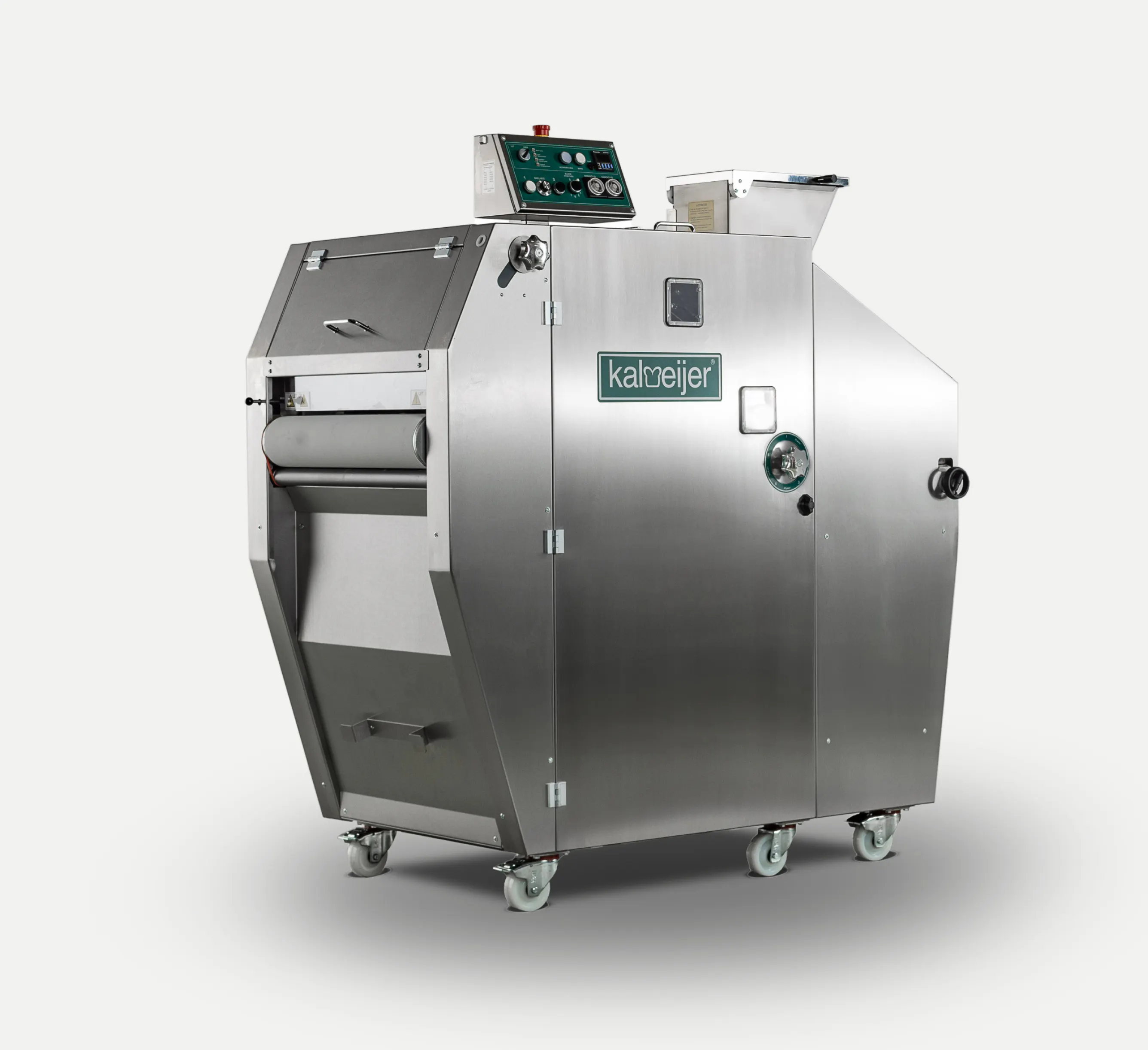
Discover the Kalmeijer Small-bread Machine KKM: an innovative solution for efficiently producing a variety of small bread products without compromising on artisanal quality. This machine brings together technology, precision, and practical usability, resulting in rolls with a consistent structure and appearance.
Artisanal quality as the foundation
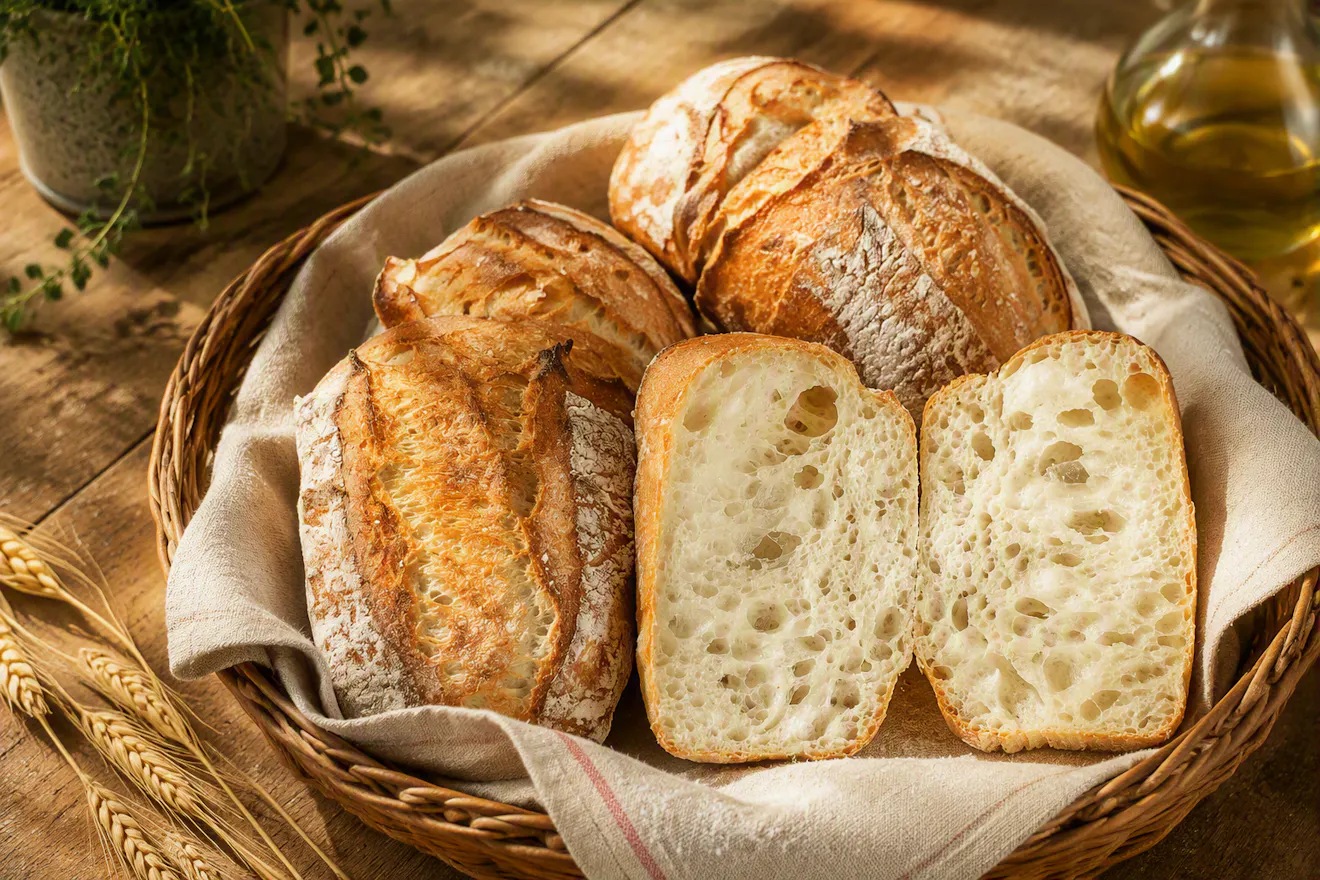
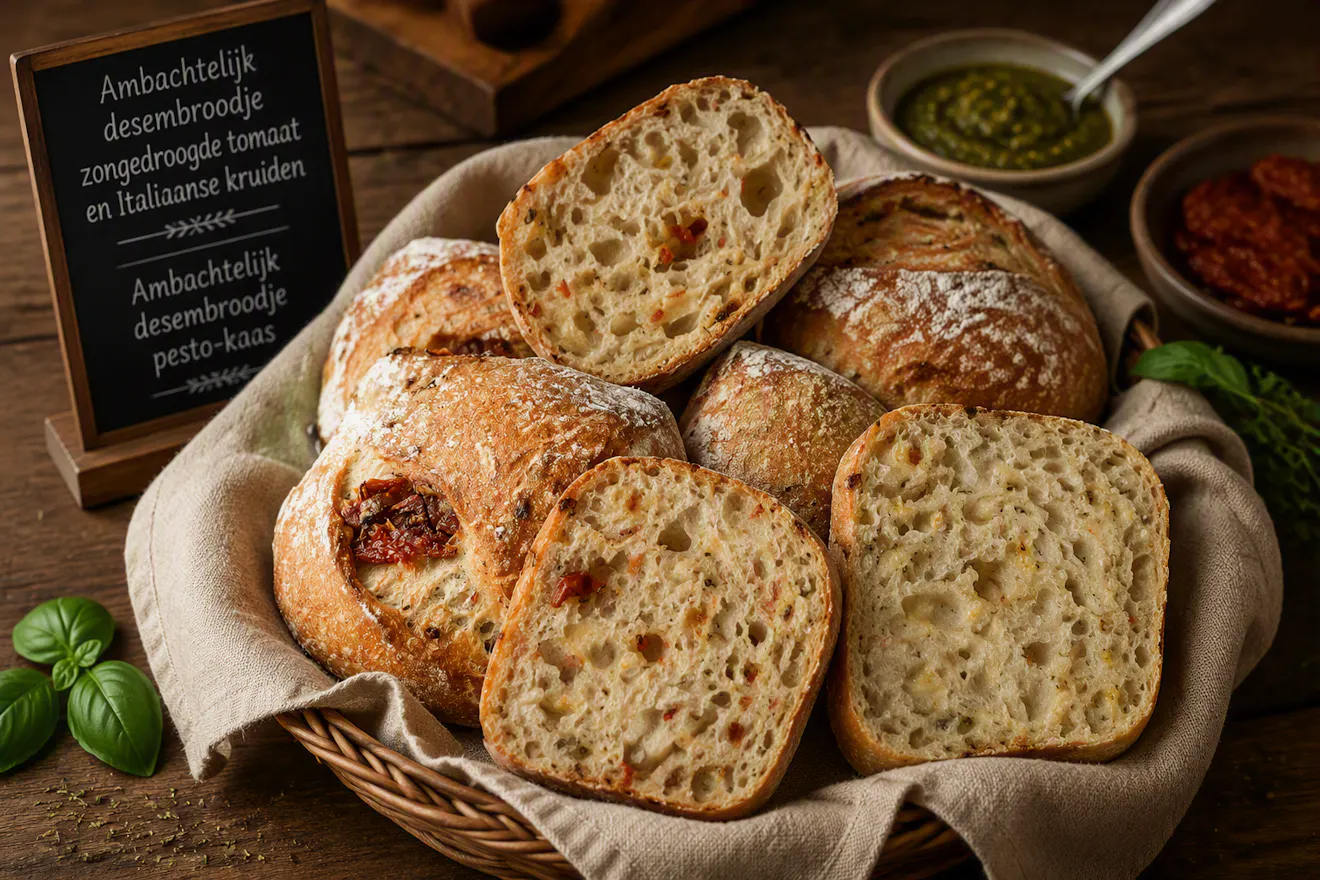
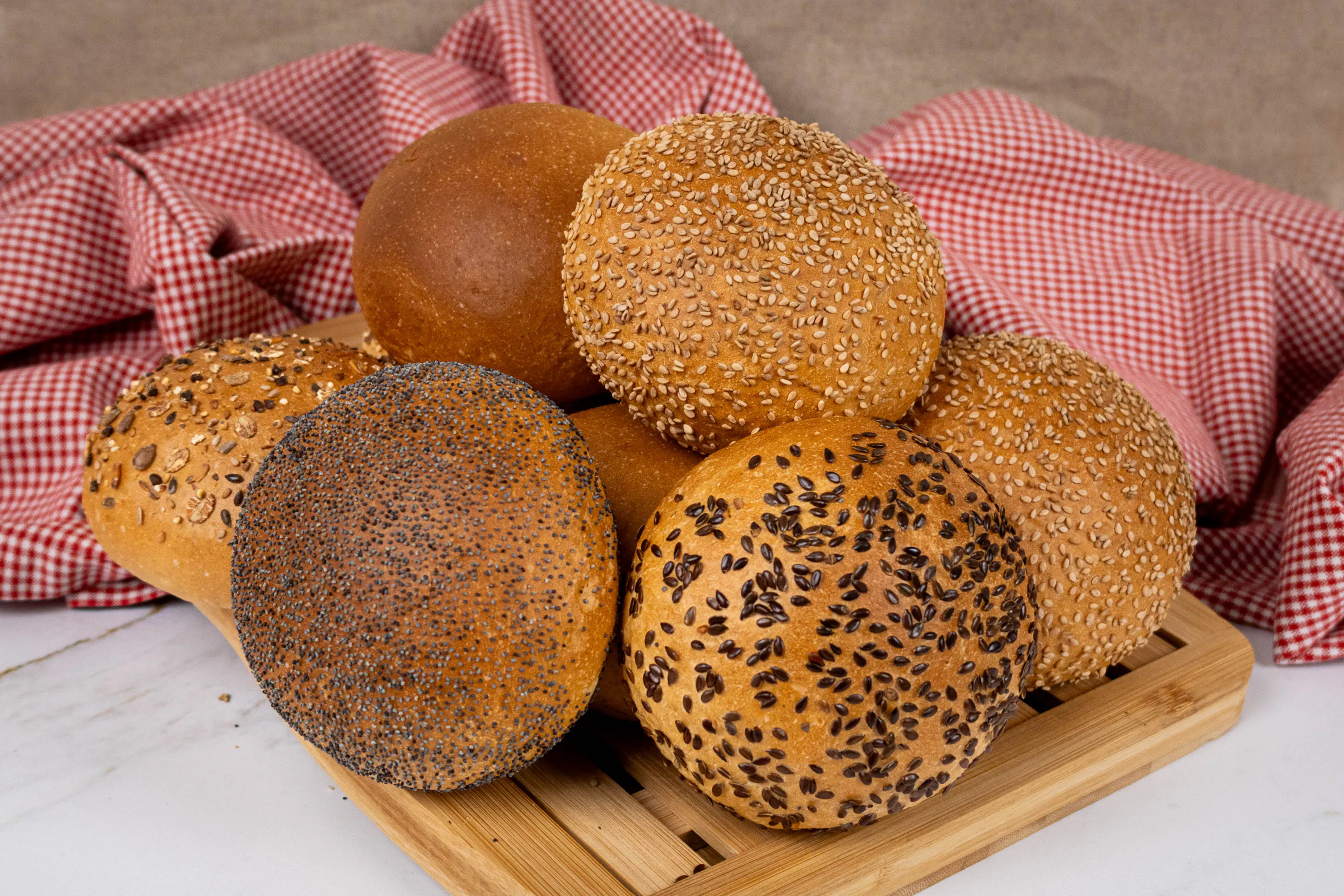
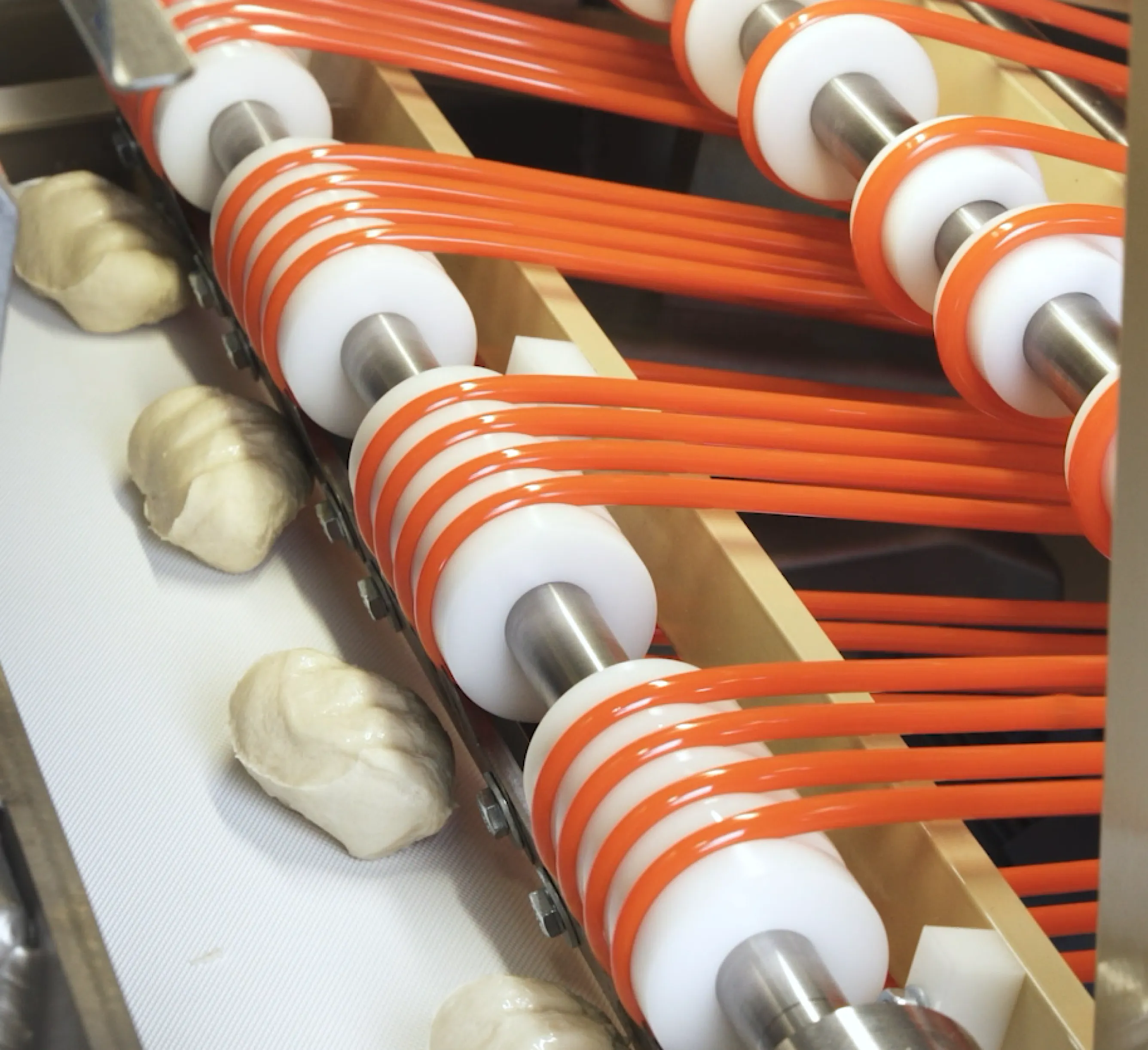
A key principle in the development of the KKM was preserving - and where possible, enhancing - the quality of small bread products. Thanks to a unique measuring and rounding system, the dough is carefully rounded, giving each roll excellent stability. This system ensures a uniform and stable structure within each dough piece. Whether the roll is cut normally or cross‑cut, the crumb remains consistently even throughout.
Working with your trusted recipes
The KKM is designed to integrate seamlessly into the bakery’s existing workflow. Common recipes can continue to be used without any adjustments. Both powdered bread improvers for longer processes and paste‑type improvers function flawlessly in the machine. Improvers for crusty breads can also be applied in exactly the same way as in the traditional process.
This eliminates the need for special - and often more expensive - bread improvers that are specifically developed for industrial machines.
Developed for the Artisan
The KKM is not a scaled‑down version of an industrial production machine. On the contrary: it has been specially developed for processing dough on an artisanal scale. Throughout the process, the characteristic quality of the final product remains the central focus.
Unlike industrial production - where high volumes and low prices are the main drivers - the KKM’s purpose is to create high‑quality small bread products that align with the craftsmanship of the artisanal baker.
Operation of the machine
The operation of the KKM aligns closely with the bakery’s existing production process. After the dough has been kneaded and has completed the desired bulk fermentation, it is fed into the machine’s hopper. This hopper has a capacity of approximately twenty kilograms of dough.
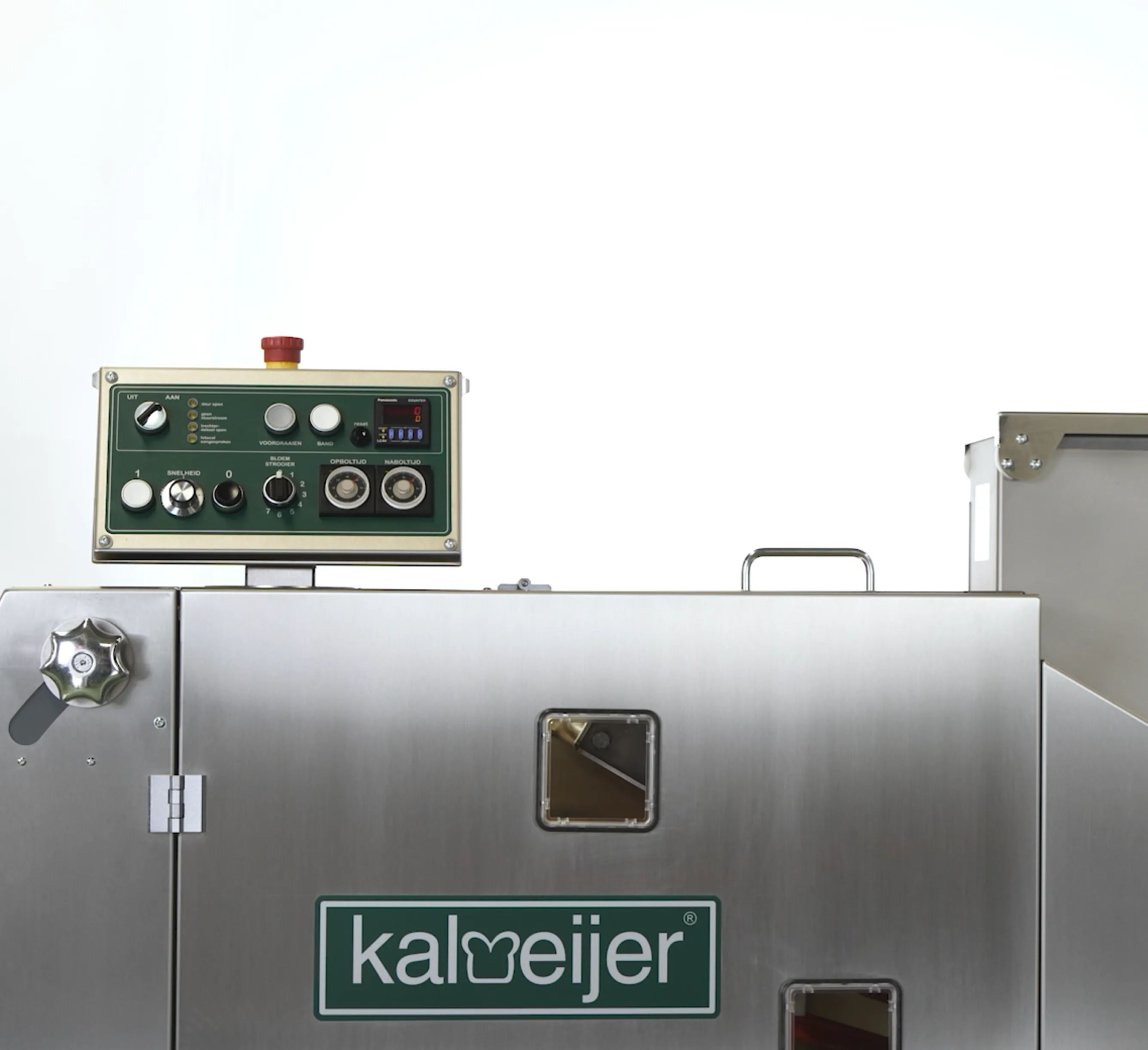
Next, the desired dough weight is set, ranging from about 20 to 120 grams per piece. The belt position, cup height, and rounding intensity can also be adjusted. Once the settings are configured, the process begins and the machine continuously produces dough balls.
At the front of the machine, four dough balls emerge at a time. These can be placed directly onto baking trays for the next step in the process: final proofing, for example via a freezer or retarder-proofer, after which the bread is baked.
Efficiency and labor savings
By automating the dividing and rounding steps, several manual tasks are taken over by the machine. Manual weighing and rounding of dough pieces are no longer necessary, while the results remain consistent. The machine’s capacity can reach up to approximately 3,600 rolls per hour. In addition, the rolls can be easily decorated without needing to be moistened beforehand.
When the rounding system is switched off, the KKM can also be used solely for dividing dough pieces. This versatility makes the machine suitable for producing a wide range of products.
Compact design and easy maintenance
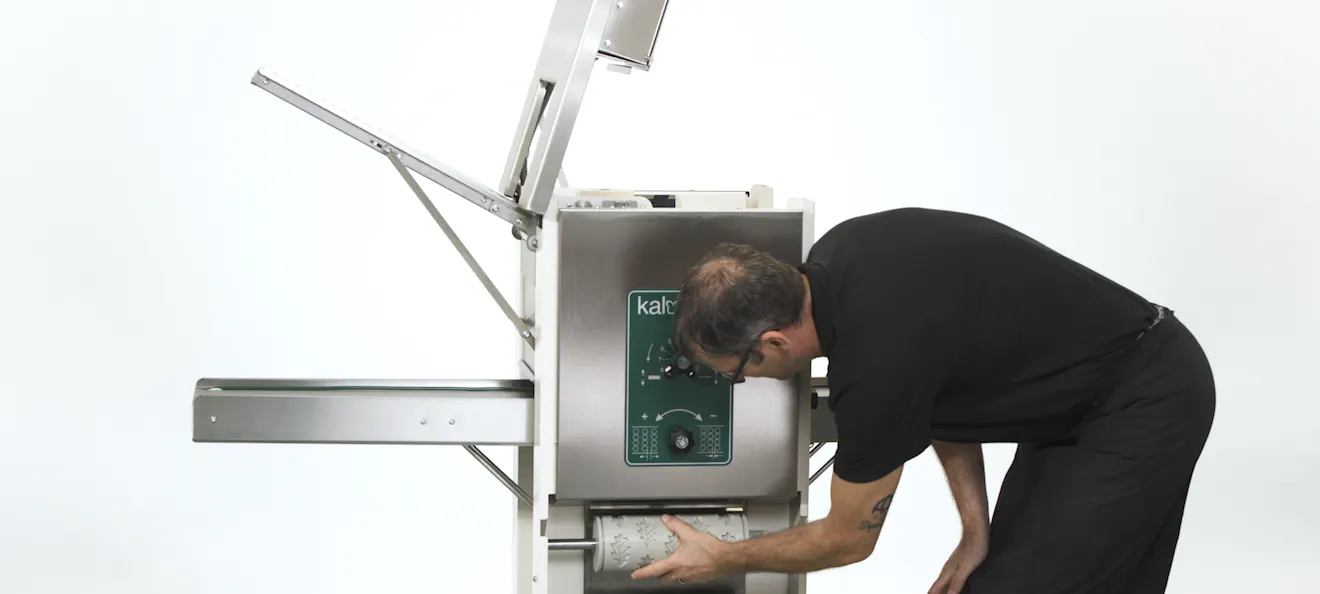
The KKM has a compact design, requiring relatively little space in the bakery. At the same time, great attention has been given to maintenance and hygiene.
Essential components such as the measuring and suction chambers can be disassembled without the use of tools. The frame consists of two parts connected by hinges, allowing the machine to be opened easily so all components are accessible for cleaning.
All leftover crumbs and dough residues are collected in a central container. The machine is also equipped with wheels, making it easy to move around. Naturally, the KKM meets all applicable safety standards and is delivered with a CE certification.
Commissioning and adjustment
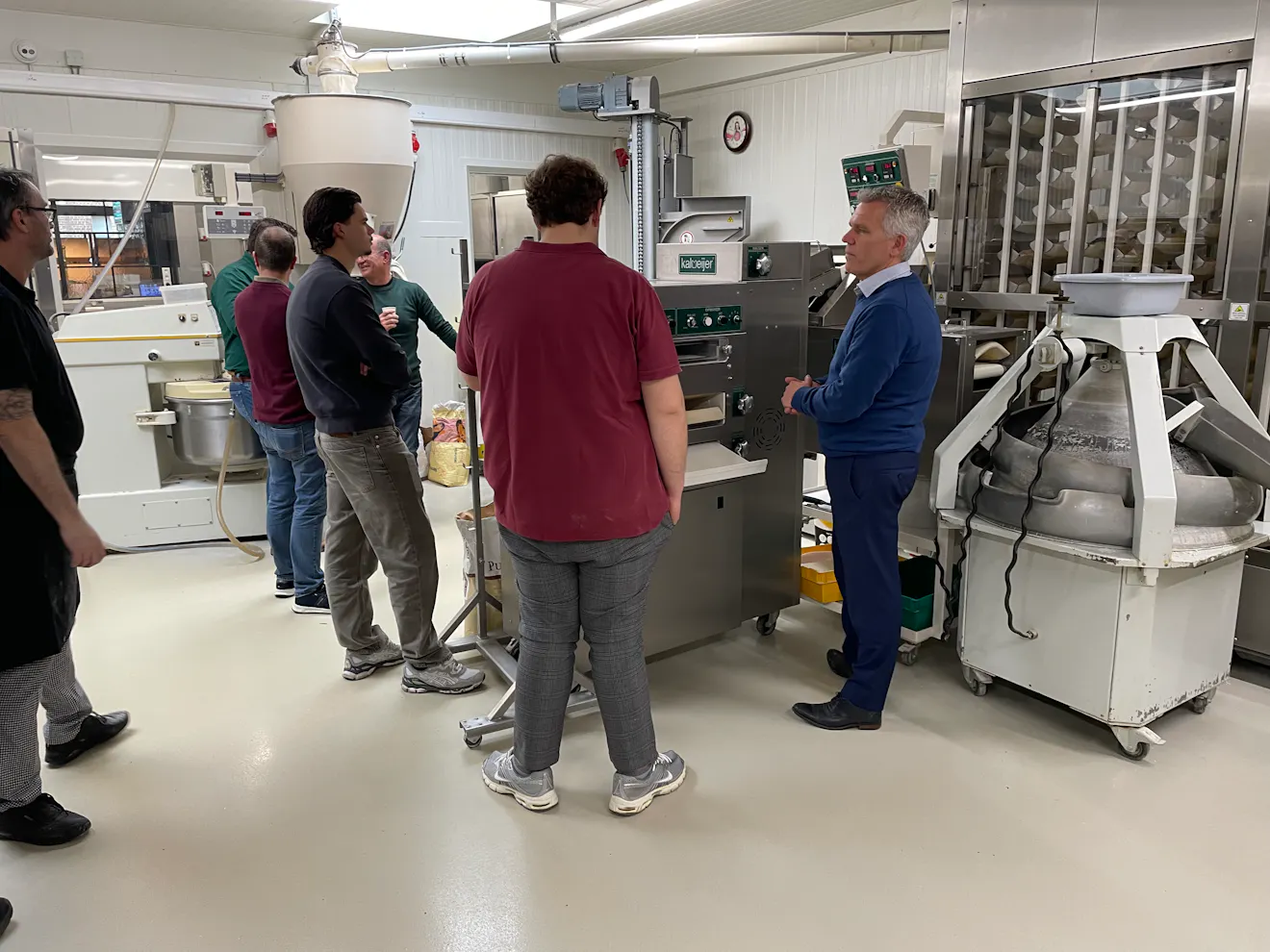
Because the machine is designed for artisanal use, commissioning is relatively straightforward. Existing recipes and production methods can generally be maintained. During the first production night, the machine is set up and fine‑tuned together with the representative. The settings are adjusted to the bakery’s specific products. If necessary, a second session can follow to carry out further optimizations.
Innovation in Service of the Craft
With the KKM, Kalmeijer demonstrates how innovation and craftsmanship can reinforce each other. By listening closely to the realities of daily bakery work, they create machines that are not only technically advanced but also add real value to day‑to‑day production processes. The Small-bread machine KKM is a clear example of this: a thoughtful combination of technology, efficiency, and respect for the quality of artisanal bread.
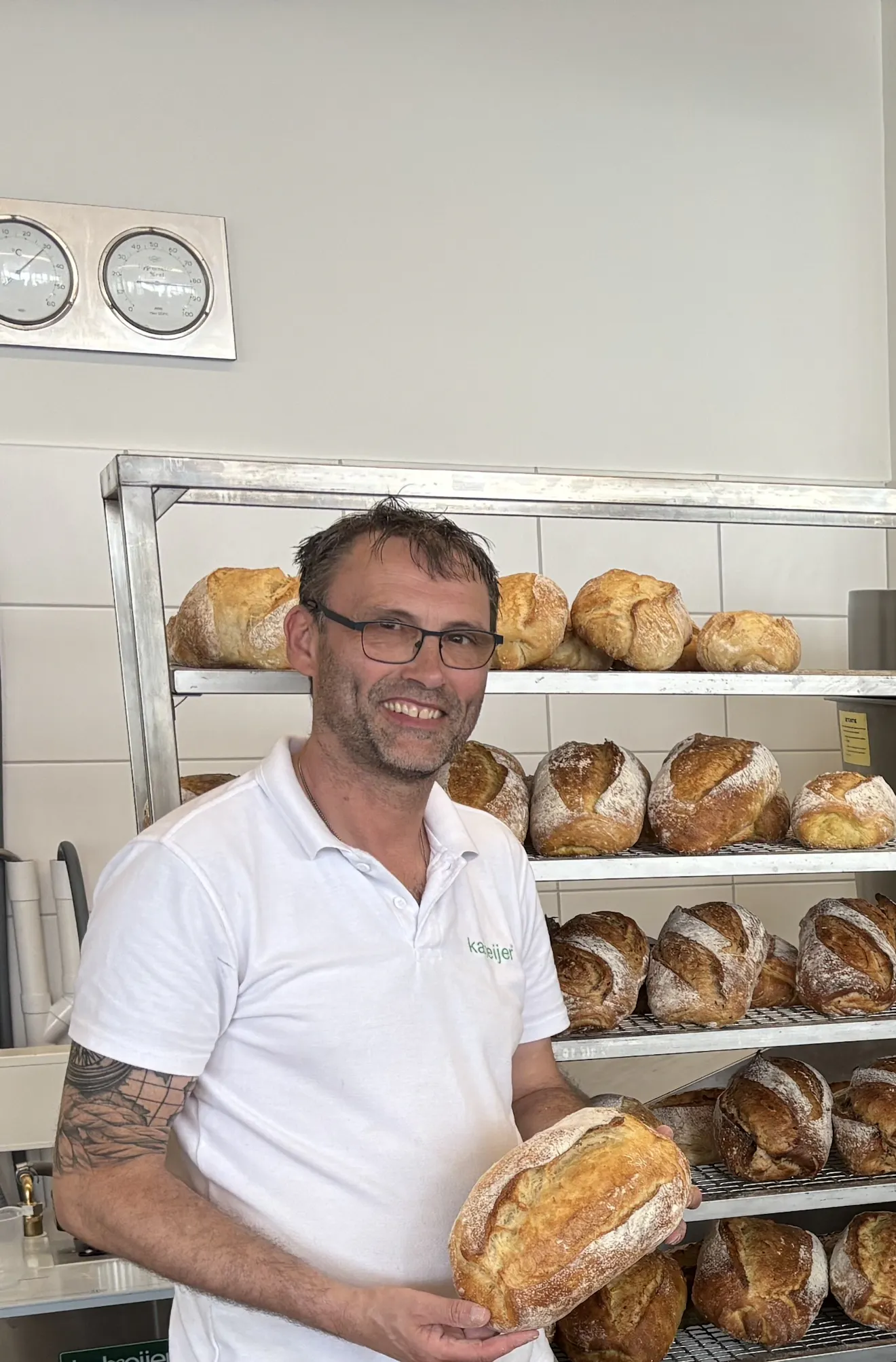
As baker Giljan from Drongen aptly put it: “Too good to be true.” And that sense of pleasant surprise is something this machine often evokes in practice: a blend of simplicity, reliability, and consistent quality that provides noticeable support in the bakery.
In conclusion
In conclusion, the Kalmeijer Small-bread machine KKM demonstrates how modern technology and traditional bakery craftsmanship can truly complement one another. By continuously listening to the needs and experiences of bakers, Kalmeijer develops machines that combine efficiency, reliability, and product quality. In this way, innovation remains in service of the craft: creating machines that support and enhance the daily work in the bakery.