en
en nl
nl de
de fr
frFeatured machine: Three generations of folding and shaping machines
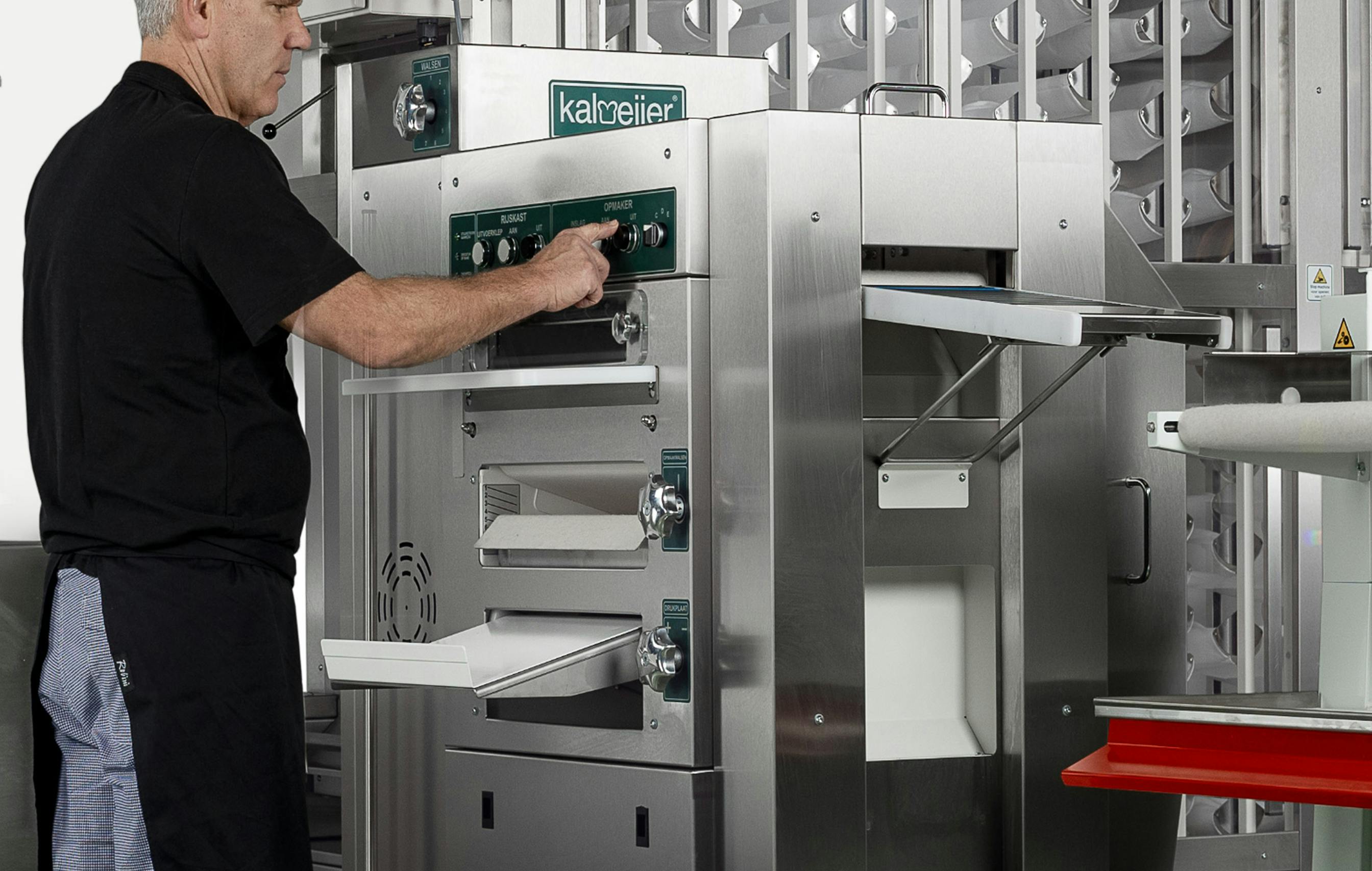
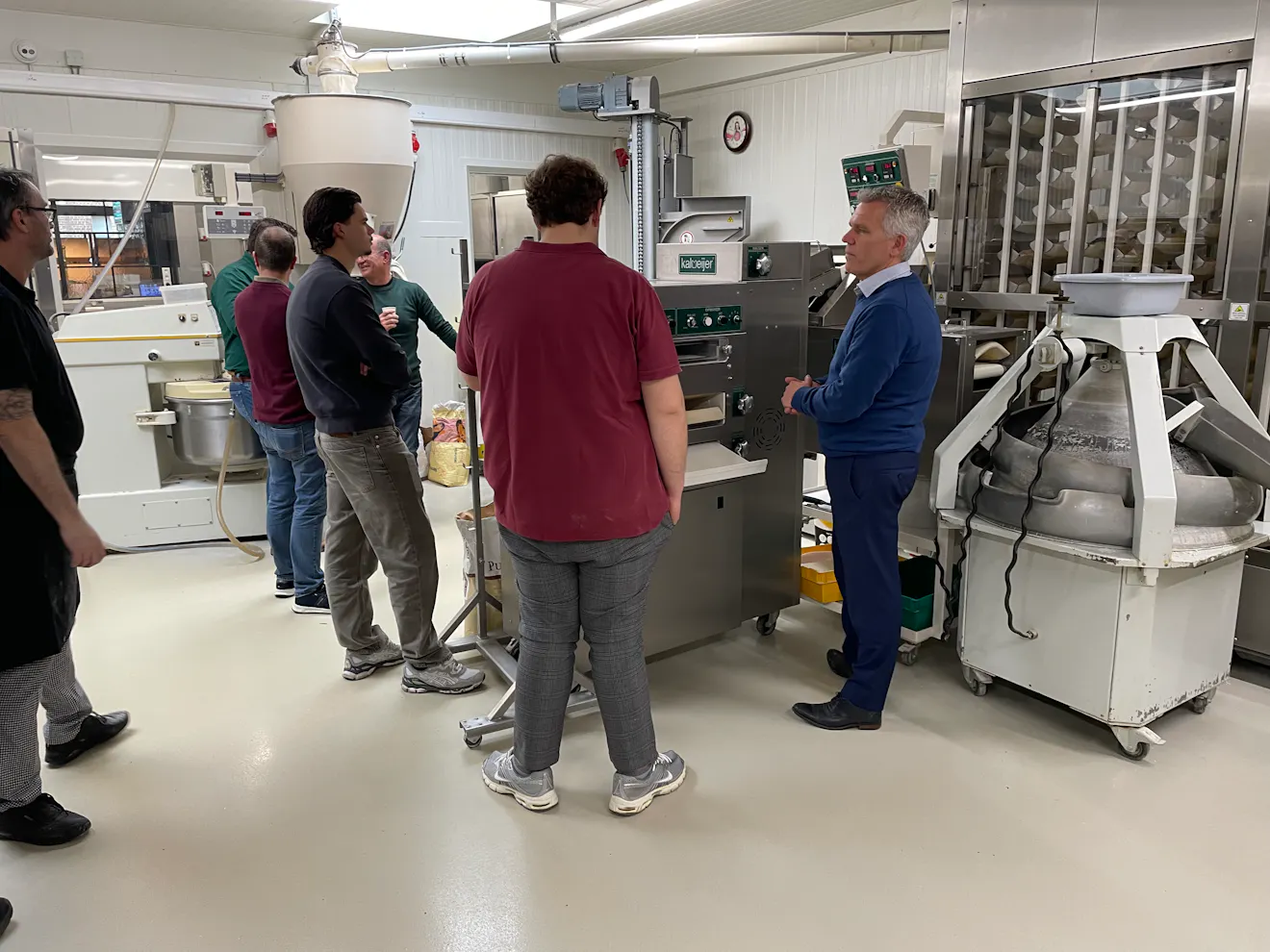
In the early 1970s, Kalmeijer developed a machine that permanently changed the way bread was moulded. For the first time, a dough piece was mechanically degassed twice: during the folding process and during the shaping process. This brought technology remarkably close to the baker’s traditional handwork. The folding unit (KTA) was soon nicknamed the “golden hands,” a name that perfectly reflects the appreciation the machine earned in bakeries.
In the mid‑1980s, the next generation arrived: the KTO, a new folding and shaping machine that remained in production for an impressive 28 years. What began as a bold step forward grew into a trusted standard in craft bakeries, always driven by the same principle: technology that supports and strengthens the baker’s work.
The KVTO: Innovation for today’s baker
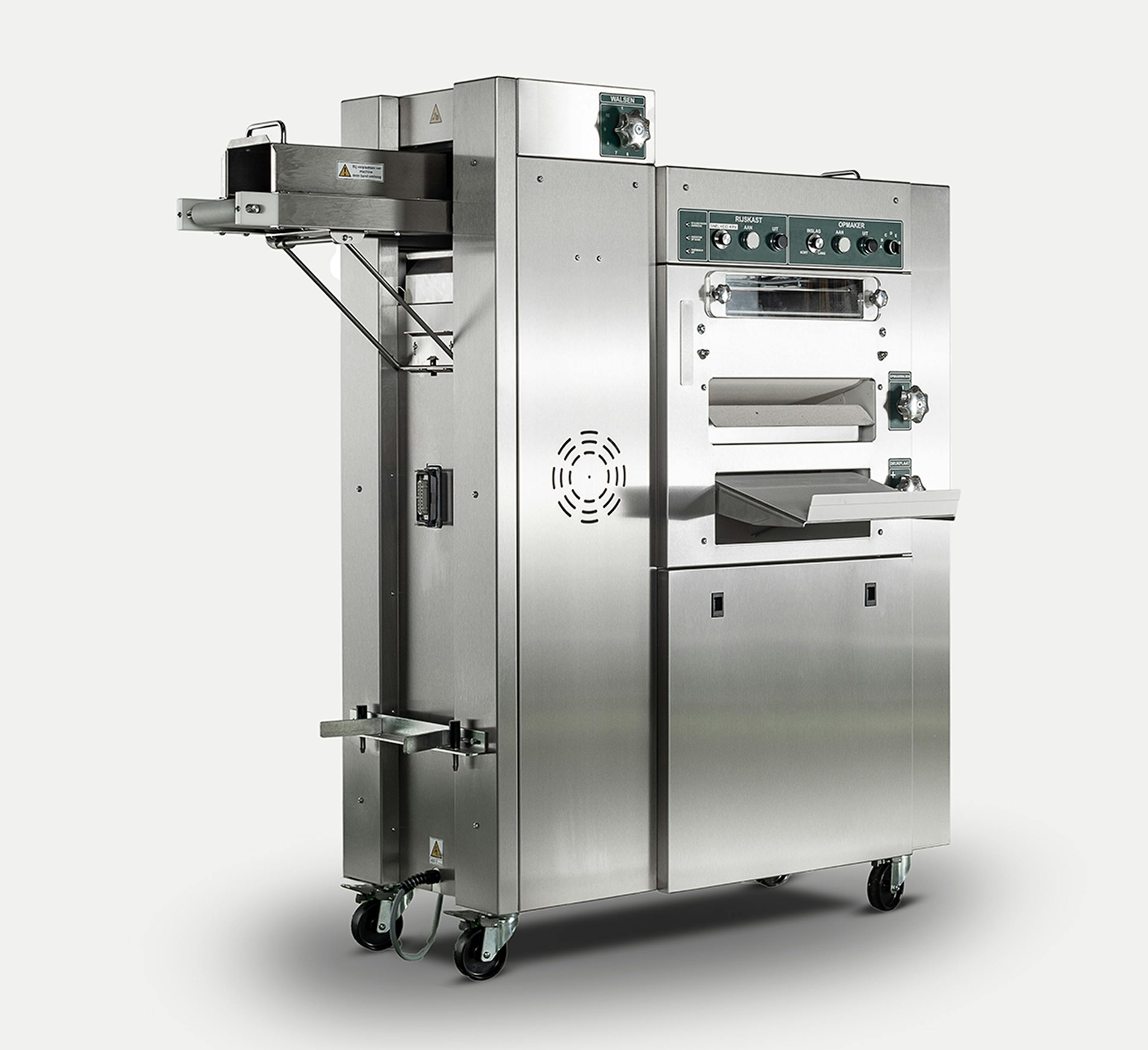
In 2011, Kalmeijer once again chose to look ahead. The market was changing, and so were the needs within the bakery. This led to the 2014 introduction of the folding & shaping machine KVTO, a new generation in folding and shaping technology.
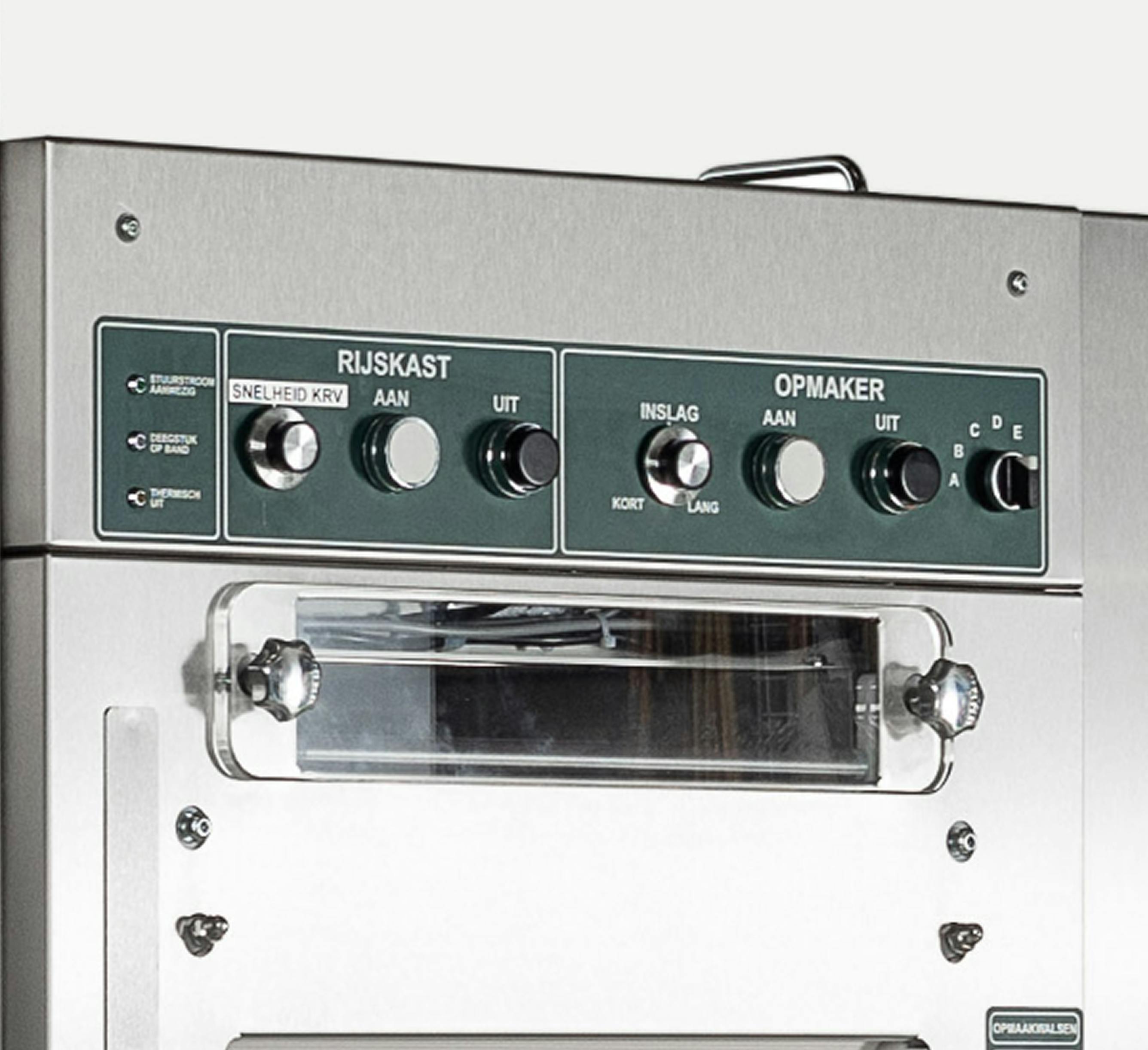
The most significant innovation was the variable folding stroke. With multiple settings, the opening length can be precisely defined and tailored to the desired dough result. The control system was completely modernised: frequency controllers and a PLC replaced the old relay‑based technology. This PLC, a compact industrial computer, executes a pre‑programmed sequence to ensure controlled and repeatable operation. Thanks to these improvements, electrical power consumption was reduced by roughly 30% compared to the previous KTO, resulting in greater precision, higher reliability, and notably lower energy use.
Mechanical improvements further enhanced performance: more robust switches, strategically positioned belts, and upgraded components reduced malfunctions and lowered maintenance costs. The weight range was expanded to 1300 grams, enabling effortless processing of larger bread types.
The folding & shaping machine KVTO embodies a thoughtful step forward, engineered with respect for craftsmanship and with a clear focus on real‑world bakery practice.
A closer technical look
Behind every beautifully shaped loaf lies a carefully designed process. The KVTO ensures that technology and craftsmanship work together seamlessly: controlled, precise, and reliable. No unnecessary complexity, just smart engineering that offers bakers control over their dough and ensures consistent results.
Registration and control via PLC
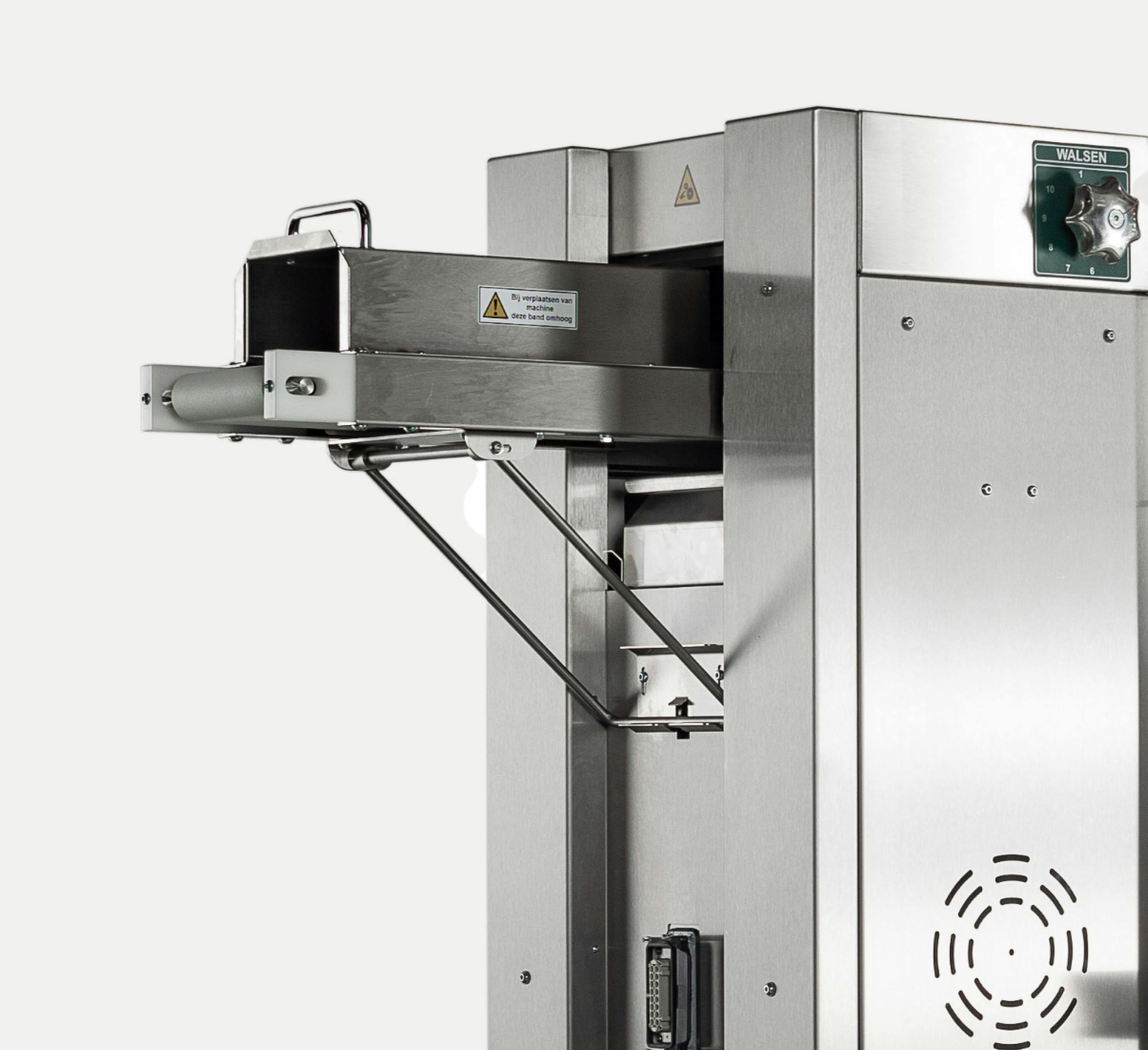
As the dough piece drops from the proofer onto the infeed belt, a photocell detects its position and sends the information to the PLC. This industrial mini‑computer controls every machine movement according to a fixed program, guaranteeing reproducible performance. The PLC reads the selected folding setting and adjusts the movement accordingly. For every new dough piece, the system checks the set value again, ensuring identical processing batch after batch.
Degassing and determining the opening length
The dough is first degassed between adjustable rollers (3–16 mm). Removing excess air results in a more uniform crumb structure. The folding process then begins. Using selector knob A‑B‑C‑D, the baker defines the desired opening length, which influences both the length and internal structure of the finished loaf.
Motors, step counters and controlled motion
Two highly efficient EC DC motors drive the folding movement. Step counters record every movement of the motors, measuring the exact number of steps taken. More steps correspond to a larger opening length. This design ensures consistent results and reduces motor wear.
Outfeed and frequency control
After folding, the dough forms into the familiar envelope shape. The outfeed belt is powered by a motor with a frequency controller, which electronically regulates speed and provides more stable and reliable operation than older systems using time‑relays.
Shaping range and maintenance‑friendly design
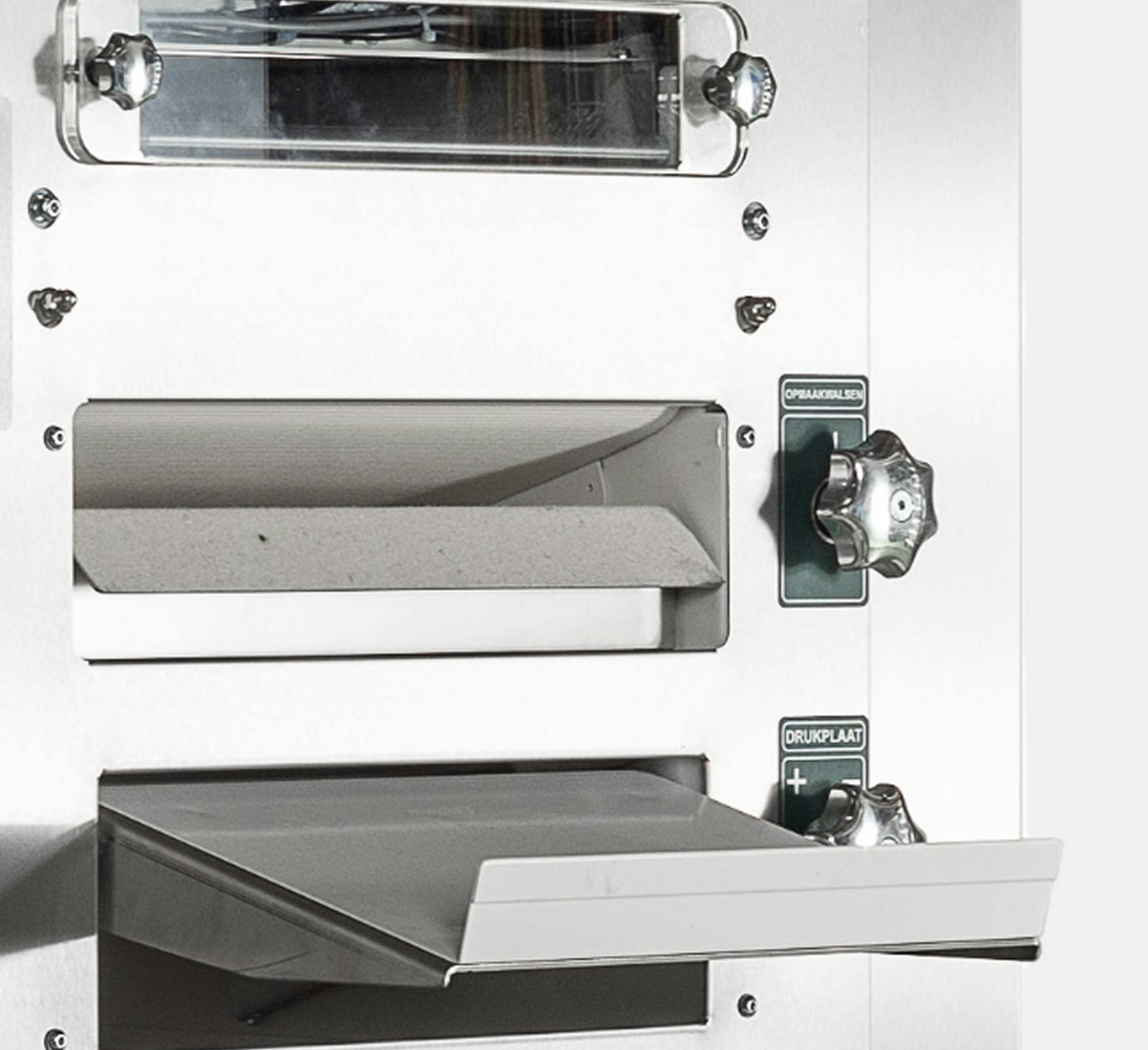
The dough then moves directly into the shaping section, without the need for an intermediate roller conveyor. The shaping rollers are adjustable from 5 mm to 15 mm across 11 settings, offering flexibility for various dough types and loaf sizes.
Maintenance has also been simplified: the felt pressure plate is mounted on a removable insert plate for easy replacement, and the old clip‑band has been replaced by a durable endless conveyor belt. These upgrades reduce downtime and increase operational reliability.
In Conclusion
The development of the folding & shaping machine KVTO shows that innovation at Kalmeijer is not a goal in itself, but an ongoing process rooted in everyday bakery practice. Every technical improvement - from mechanical enhancements to advanced control systems -focuses on reliability, efficiency and consistent product quality. By listening closely to the needs of bakers and staying alert to market developments, Kalmeijer continues to create machines that are technologically advanced while delivering real value on the bakery floor.
Read more