en
en nl
nl de
de fr
frPrevent malfunctions on the Biscuit Machine KGM
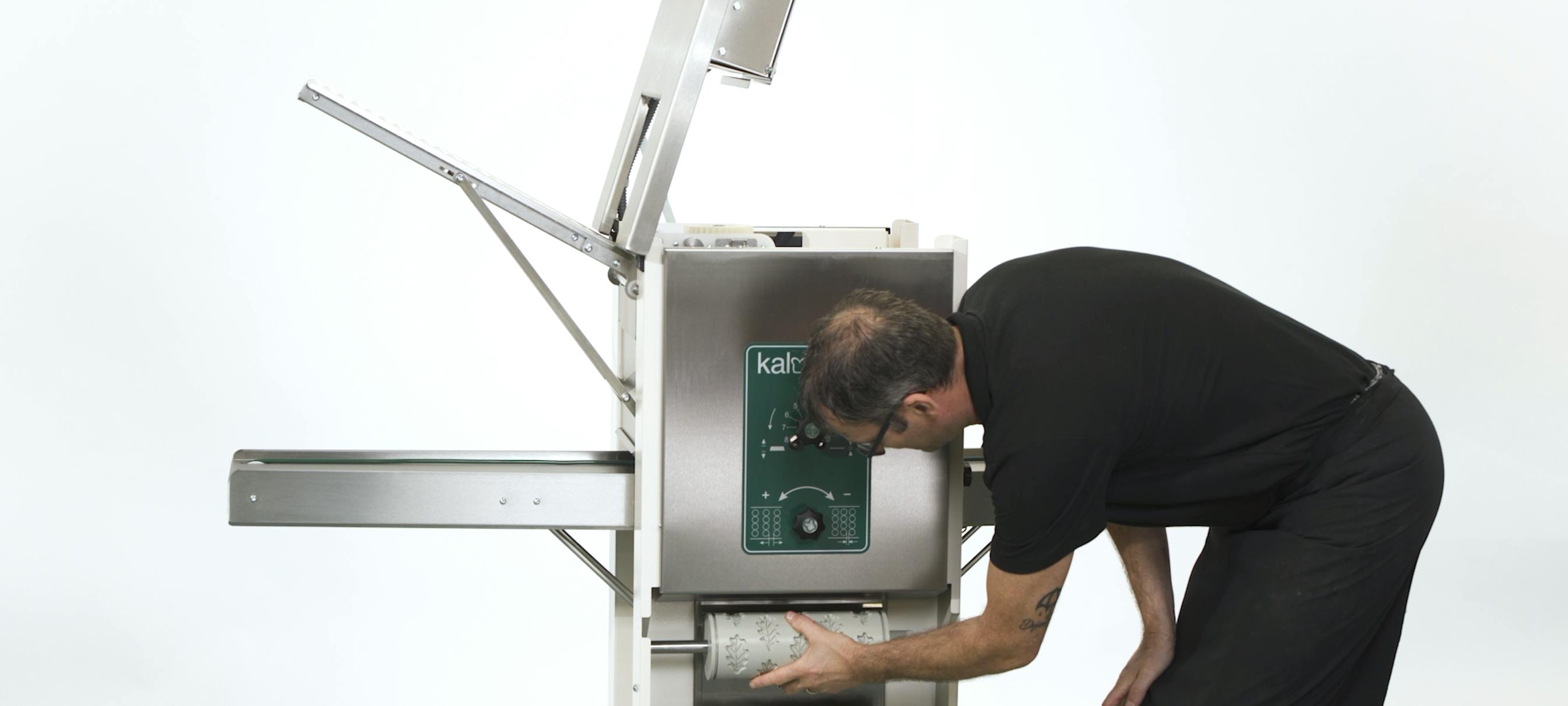
With the holiday season approaching, many bakers are once again producing speculaas, marzipan, and other seasonal products in full swing. To get through this busy period without interruptions, it’s wise to thoroughly check the biscuit machine KGM beforehand.
Preparing for production
Always inspect the machine before use. This way, any defects can be repaired or parts replaced in time, preventing unwanted downtime during production. Use the checklist below to quickly and effectively inspect the biscuit machine yourself.
Key components to check:
- The felt conveyor belt
- The green drive belts
- The cutting blade
- The power cord
- The dough feed unit and roller conveyor
Important: Always unplug the machine before performing any work.
1. Felt conveyor belt
This belt transports the dough shapes to the baking tray, so it’s important to check that it’s intact and properly aligned. Inspect the belt for damage and verify correct tracking.
Inspection steps:
- If the belt is misaligned, adjust it using the two tension knobs at the front.
- If the belt needs replacing for hygiene reasons or due to damage, first unplug the machine.
- Loosen the two tension knobs at the front so the tension plate is free inside the old belt.
- Remove the upper support plate from its mounting points (lift the plate upward) and take it out of the belt.
- Then remove the lower support plate from the belt.
- Lift the rear drive roller slightly on the gear side and remove it together with the belt from the machine.
- Clean all loose parts before installing the new belt.
- Install the new belt by first inserting the rear roller into the belt and placing them back into the machine.
- The conveyor belt must be routed under the fixed roller and positioned upward at the front.
- Slide the lower support plate back into the belt, followed by the upper plate.
- Tighten the tension knobs and realign the belt.
2. Green drive belts
These belts drive the feed and discharge tables, so it’s essential to ensure they function smoothly and are free from drying or damage.
Inspection steps:
- Bend the four green belts to check for dryness.
- If a belt shows cracks, replace it immediately.
- Always replace both belts on the same table (same age).
- Replacement is simple: one end has a coupling piece.
- Place the belt in the machine and connect the ends using the coupling piece.
3. Cutting blade
Since the blade precisely cuts the dough shapes, check that it’s sharp and free of burrs or wear. Inspect if shapes are not being cut cleanly. Caution: the blade is very sharp.
Inspection steps:
- Check if the blade is still sharp.
- Look for burrs along the edge.
- For Teflon-coated blades, ensure the coating is intact.
- Always mount the blade with the 90° angle facing away from the body, toward the feed roller.
4. Power cable
This cable safely supplies power to the machine, so inspect it for damage to prevent malfunctions or hazards.
Inspection steps:
- Check the cable and plug for cracks or damage.
- If in doubt, replace it. This should be done by an electrician.
5. Dough feed unit and roller conveyor
These components guide the dough into the machine, so it’s important to check that all rollers are straight, complete, and free from damage.
Inspection steps:
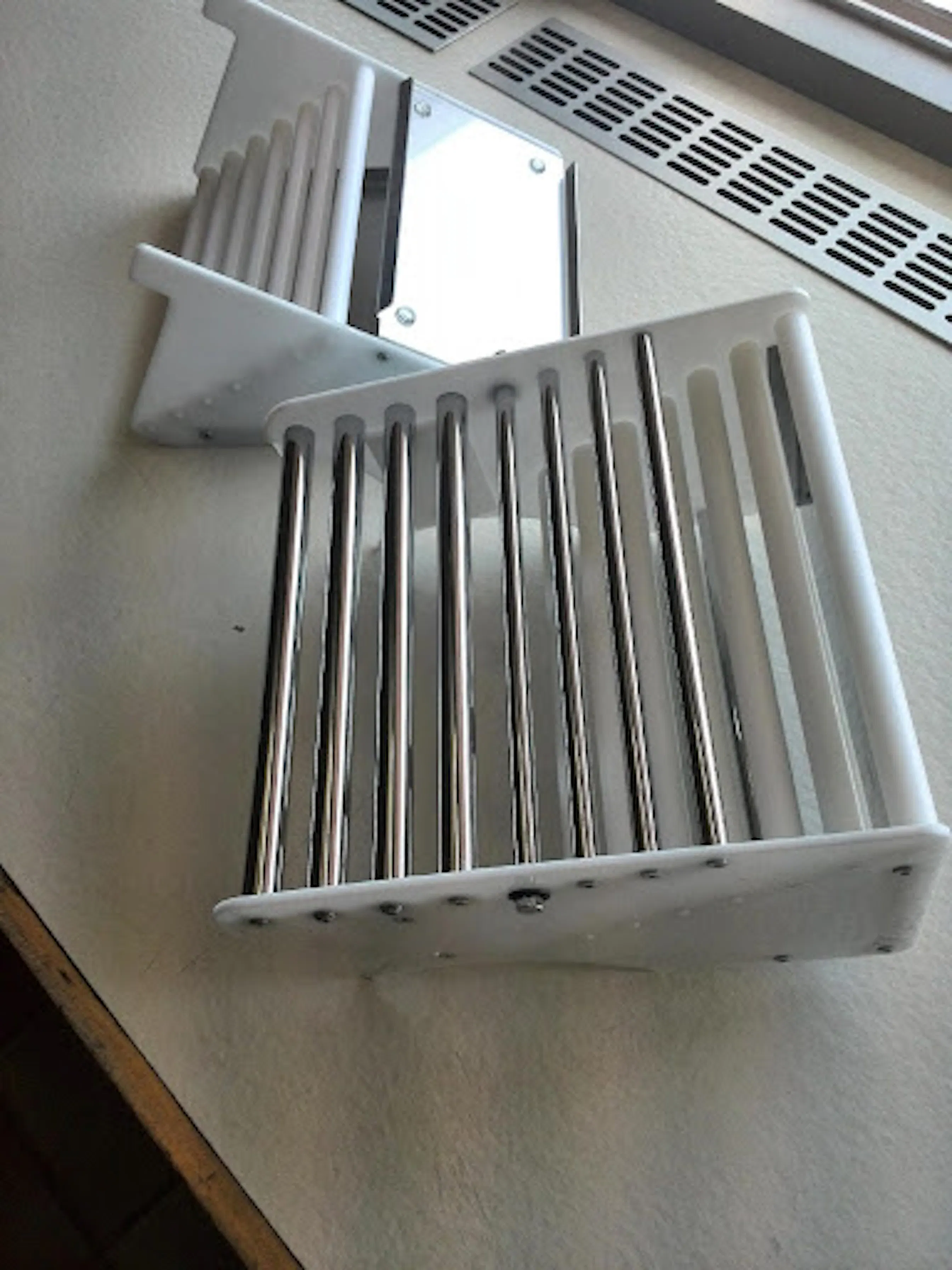
- Verify that all rollers in the dough feed unit are present.
- Check that the rollers are straight and not warped.
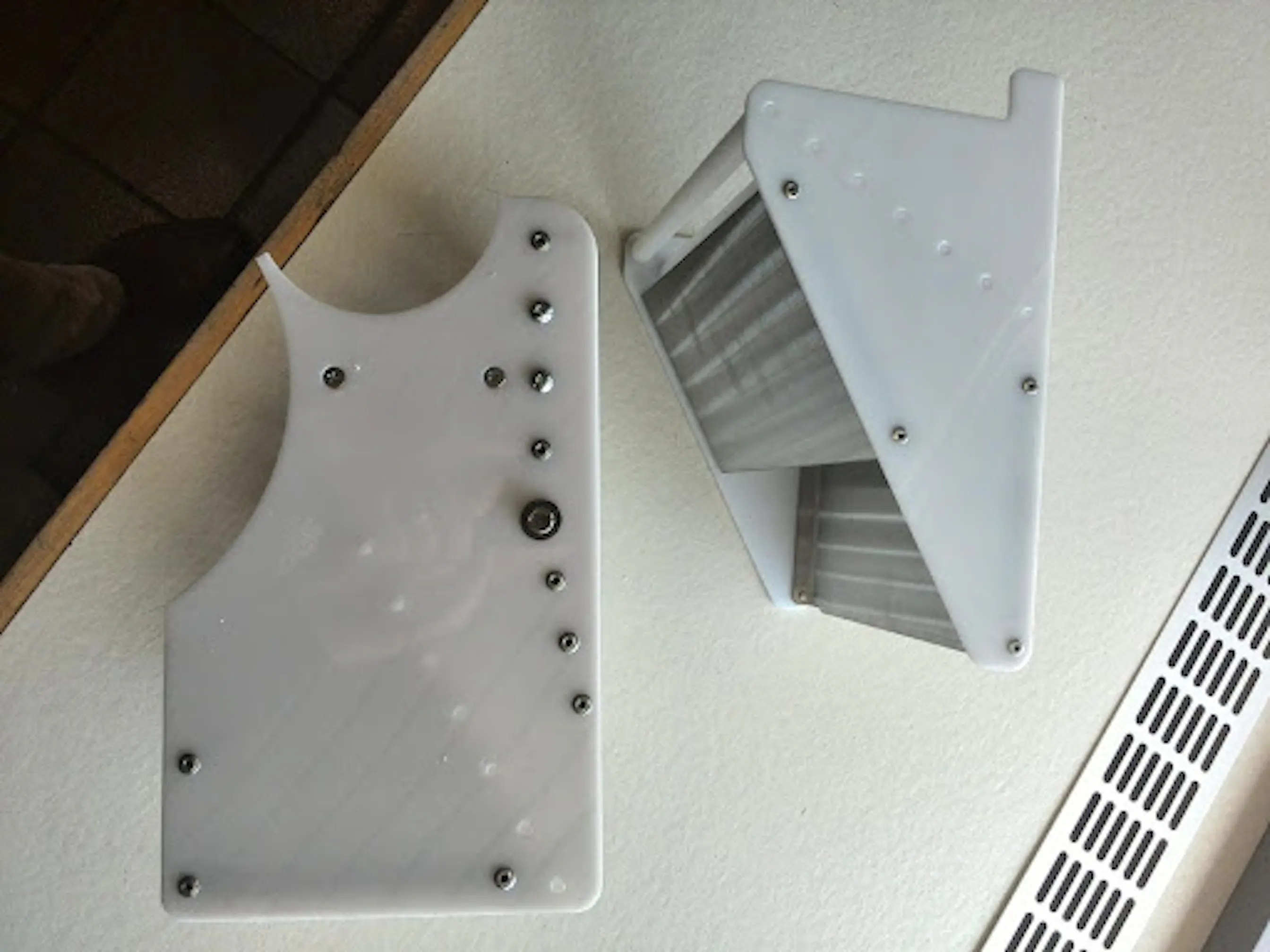
- Inspect the plastic side panels: broken pieces can cause crumbs and extra contamination.
Additional maintenance
- Remove the long side panel to clean the motor compartment.
- Lubricate the motor chain with a few drops of oil.
Annual maintenance
An annual service by our maintenance team helps prevent malfunctions. During this check, adjustments, safety features, and wear points are inspected. Schedule this before the peak season. Note: Machines manufactured before 1985 can no longer be serviced due to unavailable parts.
Ready for trouble-free baking!
By performing these checks, the risk of downtime is minimized, allowing you to work through the busiest season without unnecessary interruptions. For technical support, spare parts, or dough advice, you can always contact our service team or test baker.
On our YouTube channel, you can find more short instructional videos with practical guidance for simple maintenance tasks and for keeping the biscuit machine KGM running smoothly.
Read more